Vintage U.S. Army Proud Mom Design Review
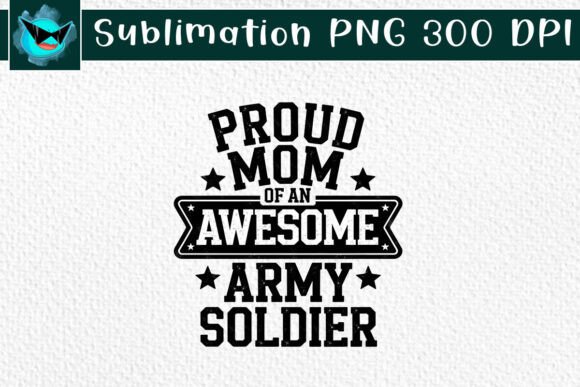
As a professional embroidery digitizer and product reviewer, I approach every new file with a critical eye toward stitchability and marketability. When evaluating the Vintage U.S. Army Proud Mom with American Flag design, my first assessment focuses on how this graphic translates from a digital screen to physical thread. This design carries significant emotional weight, targeting a specific niche of military families who value tradition and patriotism. However, sentiment alone does not guarantee a successful embroidery project. The vintage aesthetic implies distressed elements, retro typography, and potentially complex layering that requires careful technical consideration before committing to a production run for your craft business or personal collection.
Evaluating Visual Hierarchy and Stitch Translation
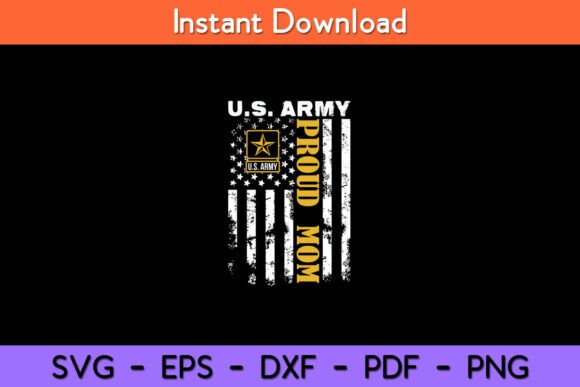
The immediate strength of this machine embroidery design lies in its clear focal point. The integration of the American flag with maternal pride creates a balanced composition that reads well even at smaller sizes. From a designer’s perspective, the "vintage" aspect is crucial. If this is primarily an SVG intended for cutting machines like Cricut or Silhouette, converting it for needle and thread requires verifying that the distress effects are not too granular. Tiny gaps meant to simulate wear can become registration nightmares in embroidery if they fall below 0.5mm.
I look for distinct separation between text and graphical elements. In patriotic designs, red and white threads can bleed visually if not separated by adequate spacing or contrasting outlines. A high-quality embroidery file will utilize appropriate underlay to prevent fabric distortion, especially when stacking multiple colors. For this specific theme, the typography should feel sturdy. Script fonts that are too thin often fail in satin stitch, whereas blockier, retro serifs typical of vintage army aesthetics tend to hold up better against the texture of canvas or denim. Before purchasing or stitching, always inspect the preview to ensure the lettering has sufficient column width to accommodate standard 40-weight thread without tunneling.
Real-World Application: The Canvas Tote Test
To truly understand the utility of Vintage U.S. Army Proud Mom with flag imagery, I mentally place it on a heavy-duty canvas tote bag. This is a quintessential item for military moms, often used for travel, library runs, or carrying gear. Canvas presents a unique challenge due to its coarse weave and lack of stretch. In this scenario, the design needs to act as an applique design or feature robust fill stitch areas to cover the fabric texture effectively.
If I were producing this for an Etsy seller client, I would recommend testing the design on scrap canvas first using a cut-away stabilizer. The goal is to achieve a crisp edge where the flag meets the background. On a tote bag, the design serves as a badge of honor; therefore, stitch clarity is paramount. Muddy details or sinking stitches diminish the perceived value of the handmade product. I also consider the placement. Center-chest alignment on a tote allows for maximum visibility, but you must account for seams and gussets. This design likely performs best when hooped with ample margin, ensuring the vintage borders remain parallel to the bag's structural lines. Successfully executing this on canvas proves the design's versatility for other durable goods like aprons or garden flags.
Navigating Fabric Limitations and Hoop Constraints
While this graphic excels on stable substrates, caution is required when adapting Vintage U.S. Army Proud Mom with for delicate or stretchy materials. Military mom merchandise often extends to baby items and lightweight apparel. Here, the density of the design becomes a liability. Heavy vintage textures combined with dense flag fills can create a bulletproof patch effect on a baby onesie or performance tee, leading to puckering and discomfort.
For baby embroidery or stretchy knits, I advise checking the stitch density settings. You may need to reduce fill density or switch to lighter running stitch accents to maintain garment drape. Additionally, verify the hoop size compatibility. Vintage designs often have ornate borders that push the limits of standard 4x4 hoops. Attempting to shrink a complex design to fit a small hoop can result in illegible text and lost detail. If your machine only supports smaller fields, look for a simplified version of this artwork or resize it professionally while maintaining minimum stitch lengths. Dark fabrics also present challenges; ensure the design includes a white underlay base so the red, white, and blue threads retain their vibrancy rather than getting swallowed by black cotton.
Commercial Viability for Makers and Sellers
For creative entrepreneurs and small shop product developers, this design represents a strong seasonal and evergreen opportunity. However, professional presentation dictates sales. When creating a printable mockup for your online listing, avoid generic flat-lays. Show the design on textured fabrics that match the vintage vibe, such as washed denim or olive drab twill. Customers buying personalized gift items for military mothers are looking for authenticity. Your product photos should reflect the same respect and quality that the design embodies.
Crucially, review the licensing terms associated with this instant download. Just because a file is available digitally does not automatically grant unlimited commercial rights for commercial embroidery. Confirm whether you can sell finished physical products versus digital files. Most designers prohibit reselling the digital embroidery file itself but allow sales of embroidered goods. Respecting these boundaries protects your business reputation. Furthermore, consider offering customization. Leaving space within the design layout for a specific name or rank transforms a generic graphic into a premium custom apparel piece, significantly increasing buyer engagement and average order value.
Essential Pre-Stitch Checklist for Success
Before loading Vintage U.S. Army Proud Mom with into your machine for a final project, run through this practical verification list to ensure professional results:
- Verify File Compatibility: Since the product description highlights SVG formats for cutting machines, confirm you have received or converted the correct embroidery format (PES, DST, JEF, etc.) for your specific machine brand.
- Test Stitch on Scrap: Never stitch directly on a finished good without a test run. Use similar fabric weight and stabilizer to check for registration issues in the vintage distress details.
- Audit Thread Colors: Patriotic palettes vary. Check if the design calls for specific shades of red and blue to achieve the vintage look, or if standard colors suffice. Contrast is key for readability.
- Check Stabilizer Pairing: Match stabilizer to fabric. Use cut-away for knits and tote bags to support dense fill stitches; use tear-away only for very stable, tightly woven fabrics.
- Inspect Small Text: Zoom in on the digital file. If any lettering is smaller than 4mm in height, it may require redesigning or removal to prevent thread breaks and poor legibility.
- Review License Terms: Document your commercial usage rights before listing any finished product for sale to avoid intellectual property disputes.
- Evaluate Washability: If making tea towels or apparel, test wash the sample. Vintage-style satin stitches can fray if not properly secured with edge stitches.
Ultimately, Vintage U.S. Army Proud Mom with American Flag graphics offer a powerful connection to a dedicated community. By treating this asset with technical respect and thoughtful application, you elevate it from a simple digital download to a cherished heirloom. Whether you are crafting a single holiday embroidery gift or stocking your boutique with design assets for year-round sales, success lies in the details. Take the time to understand the interplay between the vintage aesthetic and modern embroidery mechanics, and your work will resonate deeply with those who wear it.