Proud Mom of a Medical Assistant: Design Review
As an embroidery digitizer and product reviewer, I approach every new machine embroidery design with a specific question: will this actually stitch out cleanly on real fabric, or is it just a pretty graphic? When evaluating the "Proud Mom of a Medical Assistant" design assets, my focus shifts immediately from screen to hoop. This isn't just about celebrating a career milestone; it is about creating a handmade product that honors the recipient without looking amateurish after twenty thousand stitches. The download includes SVG, DXF, PNG, EPS, and JPG formats in a zipped folder, which suggests versatility for both digital crafters and those of us running commercial embroidery machines. However, having multiple file types does not guarantee a successful stitch-out. My review focuses on how this specific artwork translates into thread, texture, and tangible value for makers and Etsy sellers.
First Impressions and Emotional Resonance
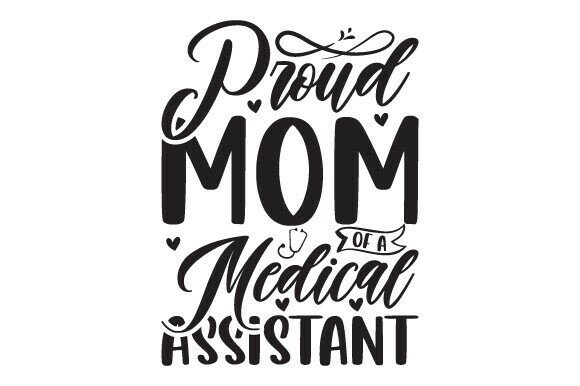
The visual personality of this design strikes a balance between professional pride and maternal warmth. In the graphics preview, isolated on white and black backgrounds, the layout appears clean. For an embroidery project, this clarity is vital. Cluttered designs often lead to registration issues or excessive jump stitches. The phrase "Proud Mom of a Medical Assistant" carries significant emotional weight, meaning the typography must be legible and the spacing balanced. If the lettering is too ornate or the medical symbols are too intricate, the sentiment gets lost in a mess of thread. As a designer, I appreciate that this artwork seems structured for readability. It feels like a design meant for a personalized gift rather than generic clip art. The mood is celebratory yet grounded, making it suitable for adult apparel and accessories rather than juvenile items. This distinction matters when selecting thread colors and marketing the finished product to customers looking for meaningful recognition gifts.
Real-World Application: The Custom Sweatshirt Test
To truly evaluate this digital embroidery file, I mentally place it in a real-life scenario. Imagine preparing a custom crewneck sweatshirt for a client whose daughter just graduated from medical assistant school. Sweatshirts are a staple for Etsy sellers and small shop products, but fleece presents unique challenges. The pile of the fabric can swallow fine details. If the "Proud Mom of a Medical Assistant" design relies heavily on thin running stitch outlines or tiny serif fonts, they will disappear into the fleece texture. In this case, I would look for bold satin columns or adequate fill areas that sit on top of the fabric rather than sinking in.
For this specific application, I would treat the design as a centerpiece. Using a 5x7 or larger hoop size allows the text to breathe. If the design includes medical iconography like a stethoscope or caduceus, those elements need sufficient width to prevent needle breaks or thread shredding on textured fabrics. A successful sweatshirt embroidery job requires the design to have enough presence to justify the garment's cost. If the artwork is too small or sparse, the shirt looks unbalanced. Conversely, if it is too dense, it creates a bulletproof patch effect that ruins the drape of the sweatshirt. This design’s vector origins suggest scalable potential, but as an embroiderer, I must verify that scaling up doesn't distort the stitch angles or leave gaps in the coverage.
Navigating Fabric Limitations and Hoop Choices
Not every surface is friendly to detailed typography. While this design shines on stable knits and woven cottons, caution is required for other mediums. If you plan to use this as a tote bag design, canvas is forgiving, but denim requires careful stabilization. Dark fabrics demand high contrast; since the download provides previews on black and white, use these as your guide for thread selection. White text on navy blue is classic, but ensure the stitch density is adequate to prevent the dark fabric from showing through the letters.
Stretchy performance wear and thin baby clothes require different strategies. For baby embroidery or lightweight tees, heavy fill stitches can cause puckering that no amount of steaming can fix. In these instances, I recommend testing whether the design works better as an outline or applique style rather than a solid block of thread. Caps are another challenge. Curved surfaces distort horizontal lines. If the "Proud Mom of a Medical Assistant" text is stacked vertically or arched, it may work on a cap front. However, long horizontal sentences often warp on curved brims. Always simulate the curve in your software before committing to a hat. For commercial embroidery businesses, knowing these limitations prevents wasted blanks and unhappy clients. The versatility of the included SVG and DXF files allows you to modify the layout in vector software before digitizing, giving you control over how the design adapts to difficult substrates.
Professional Presentation and Business Value
For creative entrepreneurs, the value of this asset extends beyond a single stitch-out. High-quality design assets contribute directly to brand consistency and customer trust. When listing a custom apparel item featuring this design, the presentation matters. Use the provided PNG and JPG files to create accurate printable mockups. Customers need to visualize the placement and scale before purchasing. Because the graphics are isolated on white and black backgrounds, integrating them into mockup templates is seamless. This saves time and ensures the digital preview matches the physical expectation.
Furthermore, consider the licensing and usage rights. Before selling finished items or digital transfers, confirm what the license permits. Can you sell the embroidered patch separately? Can you offer the digitized file itself? Understanding these boundaries protects your craft business. From a buyer engagement perspective, niche-specific designs like "Medical Assistant" often convert better than generic "Mom" designs because they target a specific identity. The specificity signals that you understand the customer's pride. Whether used for holiday embroidery gifts or graduation merchandise, the targeted nature of this design increases its perceived value. Professionalism in stitching combined with relevance in messaging creates a product that buyers are eager to display.
Critical Designer Notes for Success
Before loading this design into your machine, adhere to these practical protocols to ensure quality:
- Test Stitch First: Never run a new design on a final product without a test sew. Use scrap fabric similar to your project material to check tension and registration.
- Verify Stabilizer Pairing: Match your stabilizer to the fabric weight. Cut-away for knits and stretchy fabrics; tear-away for stable wovens like towels or canvas tote bags.
- Check Small Details: Inspect any medical symbols or punctuation marks. If they are smaller than 4mm, they may need to be enlarged or simplified to stitch clearly.
- Contrast Check: View the design in grayscale or black and white during the planning phase to ensure readability relies on value contrast, not just color difference.
- Format Confirmation: Ensure your machine reads the specific file type provided. While SVG/DXF are great for editing, your embroidery machine likely requires PES, DST, JEF, or VP3. You may need to convert or re-digitize the vector source.
- Licensing Review: Double-check the terms for commercial use of both the digital file and physical products derived from it.
Ultimately, the "Proud Mom of a Medical Assistant" collection offers strong potential for makers who value sentiment and precision. By treating the digital assets as a starting point rather than a guaranteed outcome, you elevate your work from simple crafting to professional textile art. Whether you are creating a keepsake for a family member or stocking your Etsy shop with niche apparel, success lies in respecting the relationship between the digital line and the physical thread. Take the time to test, adjust, and present this design with the same care a medical assistant brings to their patients, and your finished products will reflect that dedication in every stitch.