Vintage Donkey Mom Design: An Embroidery Review
As a professional digitizer and product reviewer, I approach every new graphic with a specific question: will this actually stitch out well on fabric? When evaluating the Vintage Donkey Mom Donkey Lovers Mommy design, my focus shifts immediately from its digital appearance to its physical performance. This graphic carries a distinct nostalgic charm that appeals strongly to niche markets, but translating that vintage aesthetic into a durable machine embroidery design requires careful consideration of structure, density, and end-use application.
Capturing Nostalgia Through Stitch Structure
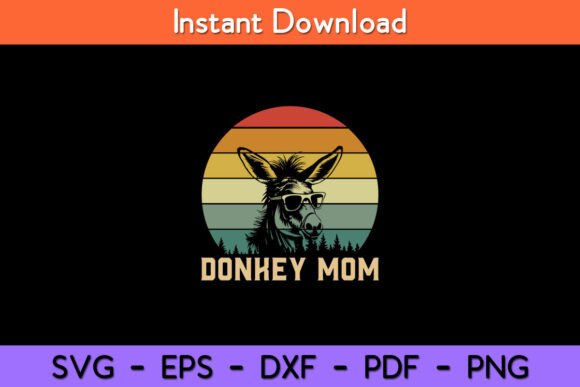
The first impression of this artwork is undeniably warm. The "vintage" descriptor suggests softened lines, retro typography, and perhaps a whimsical illustration style that evokes farmhouse aesthetics or classic storybook imagery. For an Etsy seller or craft business owner, this mood is valuable because it targets a specific emotional response from buyers. However, in the world of Crafts and Graphics, mood must be supported by technical viability.
When I look at this file, I am analyzing how the vector paths will translate into thread. A vintage style often implies varying line weights and textured fills. If this is intended as an applique design, the placement lines need to be precise enough to prevent fraying while maintaining that soft, aged look. If it relies on satin stitch borders, they must be wide enough to cover the raw edge of the fabric without becoming too dense for the needle to penetrate cleanly. The visual personality of the Vintage Donkey Mom Donkey Lovers Mommy design feels perfectly suited for cozy, personal items rather than rigid corporate branding, which dictates where it should live in your product lineup.
Real-World Application: The Custom Sweatshirt Test
To truly judge this asset, I mentally place it in a real production scenario. Let’s imagine preparing a custom crewneck sweatshirt for a Mother’s Day order. This is a high-stakes embroidery project because fleece fabrics are unforgiving. The pile of the sweatshirt can swallow fine details, so the Vintage Donkey Mom Donkey Lovers Mommy graphic needs sufficient openness in its layout.
In this scenario, I would treat this as a centerpiece sweatshirt embroidery motif. The vintage donkey illustration likely serves as the focal point, with the "Mom" or "Mommy" text acting as an anchor. For a handmade product like this, the stitching clarity is paramount. If the design includes intricate shading or tiny serif fonts typical of vintage graphics, I would be concerned about registration issues on stretchy fleece. The design performs best here if the lettering is bold and the illustrative elements use fill stitch areas that allow the fabric to breathe. Customers buying custom apparel want a finished product that feels soft against the skin, not a bulletproof vest of thread. This design’s rustic theme aligns beautifully with the tactile nature of cotton fleece, creating a cohesive personalized gift that feels intentional rather than generic.
Navigating Fabric Limitations and Hoop Constraints
While the aesthetic is versatile, practical application requires caution. Not every substrate is friendly to vintage-style artwork. I would advise using the Vintage Donkey Mom Donkey Lovers Mommy design carefully on highly textured fabrics like terry cloth towels or burlap. The inherent texture of these materials competes with the deliberate distressing or detail of a vintage graphic, potentially making the embroidery file look muddy or unfinished.
Furthermore, consider your hoop size. Vintage designs often utilize organic, asymmetrical shapes that can be tricky to center in standard rectangular hoops. If you are working with small hoop sizes, verify that the critical details of the donkey and text remain legible when scaled down. Tiny lettering is the enemy of clean embroidery; if the source SVG has thin strokes, they may need to be reinforced with a running stitch underlay or converted to a column stitch to prevent sinking into the fabric.
Stretchy knits and dark fabrics also present challenges. On dark garments, ensure the thread colors chosen provide enough contrast to make the vintage palette pop without looking garish. Light pastel threads on navy fleece, for example, might require a white underlay base to maintain color fidelity. Always pair this design with the appropriate stabilizer; a cut-away stabilizer is non-negotiable for knit baby embroidery or apparel to prevent puckering around the design perimeter.
Commercial Viability and Brand Consistency
For small shop product lines and commercial embroidery ventures, consistency builds trust. The Vintage Donkey Mom Donkey Lovers Mommy asset offers strong potential for brand recognition within the farm-life or equestrian mom niche. However, visual appeal directly impacts perceived value. A jagged outline or poor tension in the final stitch-out devalues the entire brand.
This design affects buyer engagement by signaling specificity. It tells the customer, "I understand your lifestyle." Whether used on a tote bag design for market days or an embroidered patch for denim jackets, the graphic acts as a badge of identity. For digital product sellers offering this as a download, providing accurate previews is ethical and practical. Your printable mockup or digital preview should honestly represent how the stitches interact, avoiding flat vector overlays that mislead buyers about the 3D nature of thread.
Essential Designer Notes Before You Stitch
Before loading this digital embroidery file into your machine for a client order or shop inventory, adhere to these professional protocols:
- Verify File Compatibility: Although marketed as an SVG for cutting machines, confirm you have the correct embroidery format (PES, DST, JEF, etc.) for your specific machine. Do not assume an SVG auto-converts to stitches without digitizing software.
- Test on Scrap Fabric First: Never run a new design on a final garment without a test sew-out. Use a fabric scrap that matches the weight and weave of your intended holiday embroidery or retail item.
- Check Stitch Density: Inspect the design in your editing software. If the stitch density is too high for lightweight fabrics, reduce it to prevent needle breaks and fabric distortion.
- Evaluate Small Details: Zoom in to 400% to check for overlapping stitches or gaps in the Vintage Donkey Mom Donkey Lovers Mommy artwork that could cause registration errors during stitching.
- Confirm Licensing: Explicitly check the license terms included with the instant download. Verify whether you have rights for commercial embroidery on finished goods versus digital resale.
- Mockup Testing: Create black and white mockups to test contrast. If the design relies solely on color variation rather than value contrast, it may fail on monochromatic custom apparel.
- Stabilizer Selection: Match your backing to the fabric, not just the design. A heavy vintage fill stitch on a light tea towel requires different support than the same design on canvas.
Ultimately, the Vintage Donkey Mom Donkey Lovers Mommy design is a charming asset with significant potential for makers and entrepreneurs. Its success, however, lies not in the digital file itself, but in the thoughtful execution of the maker. By respecting the technical demands of machine embroidery design and matching the artwork to appropriate substrates, you transform a simple graphic into a cherished handmade product that resonates deeply with its audience. Treat the design with professional scrutiny, and it will reward you with beautiful, sellable results.