Love You Mom Paw Art: An Embroidery Review
As a professional embroidery designer and product reviewer, I approach every new graphic with a critical eye toward stitchability. When evaluating Love You Mom Paw Art, my primary concern is not just how the digital file looks on a screen, but how it translates into thread on fabric. This design sits at the intersection of sentimental value and commercial viability, making it a staple for crafters and Etsy sellers targeting the pet parent demographic. The artwork combines typography with animal imagery, a pairing that requires careful consideration of stitch density and fabric compatibility to ensure the final handmade product meets customer expectations.
First Impressions and Design Personality
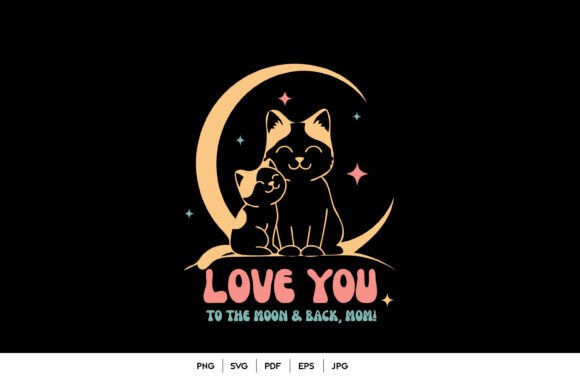
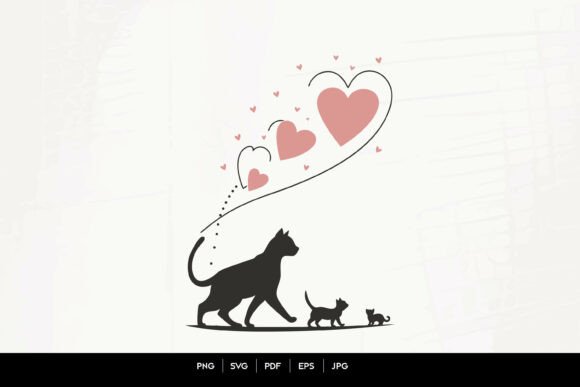
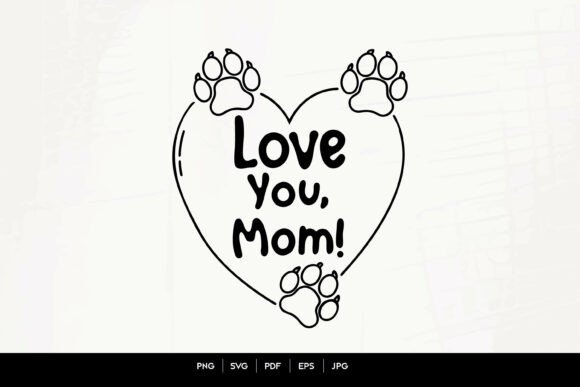
Upon opening the digital assets, which include SVG, PNG, EPS, PDF, and JPG formats, the visual hierarchy of Love You Mom Paw Art immediately suggests warmth and approachability. The integration of paw prints with affectionate text creates an instant emotional connection, essential for personalized gifts. From a technical design perspective, the lines appear clean enough for digitizing, but the true test lies in the balance between the illustrative elements and the lettering. For a machine embroidery design to succeed, the negative space must be respected; overcrowding leads to puckering and loss of detail. This specific graphic feels balanced, suggesting it was created with crafting applications in mind rather than being a generic clip-art afterthought.
The mood is distinctly nurturing, positioning it perfectly for Mother’s Day merchandise, pet mom apparel, or nursery decor. However, as a reviewer, I look beyond the "cute" factor. The shape and layout suggest versatility. It is compact enough for left-chest placement on custom apparel yet detailed enough to serve as the centerpiece of a tote bag design. This adaptability is crucial for small business owners who need one solid embroidery file to span multiple product categories without purchasing separate designs for each application.
Real-World Application: Stitching a Custom Sweatshirt
To truly evaluate this asset, I mentally mapped out a real-life production scenario: creating a premium crewneck sweatshirt for a boutique client who identifies as a "dog mom." Sweatshirt embroidery presents unique challenges due to the stretchy fleece backing and the potential for design distortion. In this context, Love You Mom Paw Art serves as an excellent candidate for a combination technique. If utilizing this as an applique design, the paw elements could be executed in fabric to reduce overall stitch count and prevent the garment from becoming bulletproof—a common issue with dense fill stitch areas on knitwear.
If stitching directly onto the fleece without applique, I would recommend modifying the satin stitch borders to slightly wider columns to accommodate the fabric texture. Fleece tends to swallow fine details, so verifying that the running stitch outlines are distinct is vital. For this specific project, the design’s sentimentality adds perceived value to the finished product. Customers are paying for the emotion as much as the craftsmanship. Seeing this design stitched out on a heather grey sweatshirt, the contrast between the thread colors and the fabric texture elevates the item from a basic garment to a cherished personalized gift. It validates the time investment required for commercial embroidery projects where margin and quality must coexist.
Navigating Fabric Limitations and Hoop Constraints
While versatile, Love You Mom Paw Art demands respect for material limitations. Not every fabric is suitable for this level of detail. When working with thin fabrics like quilting cotton or lightweight linen for baby embroidery or tea towels, stabilizer choice becomes non-negotiable. A cut-away stabilizer is often necessary to support the weight of the stitches and prevent the "dinner plate" effect where the design pulls the surrounding fabric taut. Conversely, on textured fabrics like terry cloth for kitchen towels, you may need to use a water-soluble topping to keep the stitches from sinking into the pile, ensuring the paw art remains crisp and legible.
Hoop size selection also plays a pivotal role. While the graphic files allow for resizing, pushing the design to its maximum dimensions in a large hoop can lead to registration issues if your machine’s tension isn't perfectly calibrated. Similarly, reducing it too small for cap embroidery or patch creation risks losing the definition of the paw pads or text serifs. Always check the minimum recommended size before committing to a production run. Dark fabrics present another variable; testing thread color contrast is essential. White or cream threads on navy fabric work beautifully, but pastel threads might disappear. Always run a black and white mockup or a physical test stitch to confirm visibility before selling the finished product.
Commercial Viability for Makers and Sellers
For Etsy sellers and creative entrepreneurs, the strength of Love You Mom Paw Art lies in its niche specificity. Generic "Mom" designs saturate the market, but adding the paw element targets a passionate sub-niche of pet lovers. This specificity drives buyer engagement and recognition. When listing items featuring this design, high-quality printable mockups using the provided PNG or JPG files can help customers visualize the end result before purchase. However, nothing replaces photos of actual stitched samples. Showing the design on varied substrates—an apron, a pillow cover, and a cap—demonstrates professionalism and builds customer trust.
Brand consistency is another benefit. Using a cohesive art style across holiday embroidery collections and everyday shop products helps establish a recognizable aesthetic. Whether you are selling digital embroidery files or physical goods, ensuring the design maintains its integrity across different mediums protects your reputation. Buyers expect the same level of detail they see in your listing photos. If the design holds up well in testing, it becomes a reliable asset for seasonal rushes, particularly around Mother’s Day and Christmas, when demand for pet-themed family gifts peaks.
Essential Designer Notes for Success
Before adding Love You Mom Paw Art to your production queue, adhere to these practical guidelines to ensure professional results:
- Test Before Selling: Never assume a digital file is stitch-ready without verification. Run a test on scrap fabric that matches your final project’s weight and weave to check for puckering or thread breaks.
- Verify Licensing: Confirm whether your purchase includes commercial rights for selling finished products versus digital redistribution. Understanding these terms protects your craft business from legal issues.
- Check Stitch Density: Inspect the design in your embroidery software. If the fill stitch is too dense for your chosen fabric, adjust the underlay or density settings to improve drape and durability.
- Evaluate Small Details: Zoom in to inspect tiny text or intricate paw toes. If they are smaller than 4mm, consider simplifying them to prevent needle damage or illegibility after washing.
- Stabilizer Matching: Pair the stabilizer to the fabric, not just the design. Stretchy knits need cut-away; woven cottons often do well with tear-away; sheer fabrics require wash-away.
- Thread Contrast Check: View the design in grayscale to ensure the values read clearly. Color alone should not carry the design’s readability.
- Format Compatibility: Ensure your machine reads the specific file type provided. While SVG and EPS are great for editing, your machine likely requires DST, PES, or JEF. Convert accurately to preserve stitch data.
Ultimately, Love You Mom Paw Art represents a strong contender for any maker’s library, provided it is treated with technical diligence. Its success in real-world applications depends entirely on the user's willingness to test, adjust, and respect the relationship between digital graphics and physical textiles. By approaching this design with a professional mindset, you transform a simple digital download into a high-value component of your embroidery business.