Mom Fuel Coffee Love: An Embroidery Design Review
As a professional embroidery designer and product reviewer, I approach every new graphic with a specific question: will this actually stitch out well on a finished product? When evaluating Mom Fuel Coffee Love, my focus shifts immediately from the digital screen to the physical hoop. This design captures a very specific cultural moment in motherhood and caffeine culture, but translating that sentiment into thread requires careful consideration of stitch types, fabric choices, and end-use durability. Having reviewed countless files in the Crafts and Graphics categories, I can see where this design shines and where it demands technical caution before you commit to a full production run.
First Impressions and Visual Personality
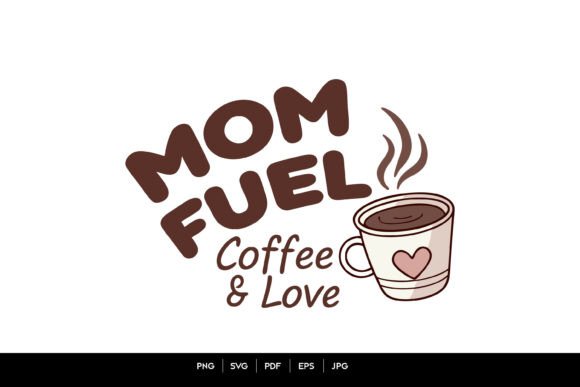
The initial appeal of Mom Fuel Coffee Love lies in its relatable narrative. It is not just a picture of a cup; it is an identity marker for tired moms, coffee addicts, and anyone navigating the beautiful chaos of motherhood. Visually, the layout suggests a balance between playful typography and recognizable iconography. For an embroidery project, this duality is excellent because it allows for mixed media techniques. The text elements likely lend themselves to clean satin stitch or fill stitch lettering, while the graphic components offer opportunities for texture.
However, as a designer, I look beyond the cute aesthetic. I am analyzing the negative space and the overall footprint. Does the design feel top-heavy? Is the text legible at smaller sizes? The mood is warm and inviting, which makes it perfect for personalized gifts and boutique merchandise. Yet, the success of this machine embroidery design depends entirely on how those visual elements interact with fabric texture. A design that looks bold on a PNG preview can easily become a dense, stiff bulletproof vest on a lightweight t-shirt if the stitch density isn't managed correctly.
Real-World Application: The Canvas Tote Bag Test
To truly evaluate Mom Fuel Coffee Love, I mentally place it in a real-life scenario. Let’s imagine preparing a custom embroidered tote bag for a craft fair or an Etsy listing. Tote bags are a staple for this demographic, serving as diaper bags, grocery carriers, and beach companions. This is where the design needs to perform under pressure.
In this application, I would treat Mom Fuel Coffee Love as a centerpiece. Canvas provides a stable foundation, but it also has a distinct weave that can swallow fine details. If the design includes thin running stitch outlines or tiny accent text, they might get lost in the fabric texture. I would recommend testing the embroidery file on a scrap of the exact canvas weight you intend to sell. You may need to increase the underlay or adjust the pull compensation to ensure the letters remain crisp. Furthermore, because tote bags endure significant wear and tear, the stitch density must be sufficient to prevent gaps after washing, yet open enough to maintain the natural drape of the bag. If the design feels too rigid against the canvas, it detracts from the handmade product quality customers expect.
Apparel Considerations: Sweatshirts and Stretchy Fabrics
Moving from accessories to custom apparel, specifically sweatshirt embroidery, presents a different set of challenges. Sweatshirts and fleece materials are popular for "mom life" merchandise, especially during fall and winter holiday embroidery seasons. The plush nature of these fabrics requires a robust stabilizer strategy. When stitching Mom Fuel Coffee Love onto fleece, I always advise using a heavy-duty cut-away stabilizer rather than tear-away. The stretch of the garment combined with the weight of the thread can cause puckering or distortion if the foundation isn't secure.
You must also consider the placement. On a sweatshirt, this design works beautifully as a left-chest logo or a centered back print. However, avoid placing detailed sections of the design over thick seams or side panels. The uneven surface will cause needle deflection and poor registration. For commercial embroidery businesses selling these items, consistency is key. If you are producing a batch of ten sweatshirts, verify that your hoop size accommodates the entire design without requiring re-hooping, as multi-hoop alignments on stretchy fabrics are notoriously difficult to perfect.
Navigating Technical Limitations and Fabric Choices
While Mom Fuel Coffee Love is versatile, there are environments where it should be used with extreme caution. Small hoop sizes are the first red flag. If you attempt to shrink this design down to fit a 4x4 hoop for a baby embroidery project or a sleeve cuff, verify the smallest text height. Generally, satin stitch letters should not be smaller than 6mm to remain legible and prevent thread breaks. If the scaled-down version compromises readability, do not use it. It is better to choose a simpler design than to sell a product where the customer cannot read the message.
Dark fabrics also require planning. If the provided embroidery file does not include a white underlay base for dark garments, the colors of Mom Fuel Coffee Love may appear muddy or sink into black cotton. Always test on both light and dark backgrounds. Additionally, be wary of using this design on highly textured towels or waffle-weave kitchen linens unless it includes a knockdown stitch layer. Without that foundational flattening stitch, the intricate details of the coffee theme will disappear into the pile of the towel, resulting in a professional-looking failure.
Commercial Value and Customer Perception
For Etsy sellers and small shop owners, the presentation of Mom Fuel Coffee Love directly impacts perceived value. Customers associate high-quality stitching with brand trust. A design that registers perfectly, has smooth satin columns, and lacks jump stitches conveys professionalism. Before listing a finished product, create printable mockups to visualize the scale, but never rely on them exclusively. Real photos of the stitched item build significantly more buyer engagement than digital renders alone.
Consider the licensing and versatility of the digital embroidery file. Since the product description lists SVG, PNG, EPS, PDF, and JPG formats, you have excellent assets for creating matching vinyl decals, sublimation prints, or branding materials to pair with your embroidered goods. This cross-platform utility increases the ROI of the design. However, always confirm the specific commercial license terms regarding the sale of finished products versus the resale of the digital file itself. Protecting your business means respecting intellectual property while maximizing your creative output.
Essential Designer Notes for Success
Before you thread your needle for a client order or personal gift, run through this practical checklist to ensure Mom Fuel Coffee Love delivers the best possible result:
- Test Stitch First: Never skip the test run on scrap fabric that matches your final project's weight and stretch. Check for registration issues and fabric puckering.
- Verify Thread Colors: Digital previews often use standard RGB colors that do not match rayon or polyester thread charts. Select physical thread colors that complement the fabric, not just the screen image.
- Check Stabilizer Pairings: Match your stabilizer to the fabric, not the design. Use cut-away for knits and stretch fabrics, and tear-away or wash-away for stable wovens.
- Inspect Small Details: Zoom in on the embroidery file in your software. Ensure no individual stitch segments are shorter than 1mm, which can cause needle breaks or thread bunching.
- Evaluate Washability: If this is for a baby item or apron, ensure the stitch density can withstand frequent laundering without fraying or distorting.
- Confirm Hoop Compatibility: Double-check that the design dimensions fit comfortably within your machine’s maximum sewing field, leaving room for the hoop frame clearance.
Mom Fuel Coffee Love offers a wonderful opportunity to connect with a passionate audience through handmade goods. By approaching it with the critical eye of a maker rather than just a consumer, you elevate your work from simple crafting to professional textile art. Whether you are creating a personalized gift for a new mother or stocking your boutique with commercial embroidery staples, the attention you pay to these technical details is what ultimately defines the quality of your brand.