Cat Mom Love Line Art: An Embroidery Review
As a professional embroidery designer and product reviewer, I approach every new graphic with a specific question: will this actually stitch out well on real fabric? When evaluating the Cat Mom Love Line Art for potential use in my shop and client projects, I looked past the digital preview to assess its viability as a machine embroidery design. Line art is deceptively simple; while it lacks the complexity of full fill stitch designs, it demands precision in digitizing and stabilization to avoid looking messy or amateurish. This review breaks down how this specific artwork performs when translated from a digital file into a tangible handmade product.
First Impressions and Visual Personality
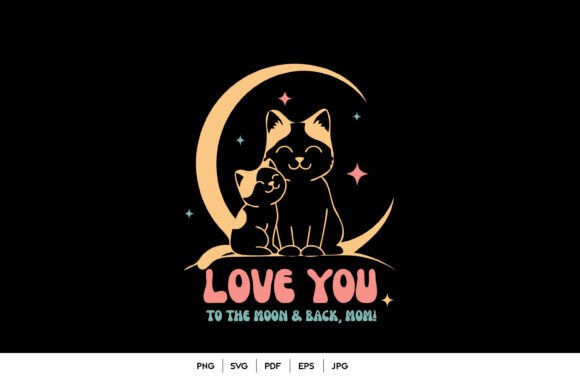
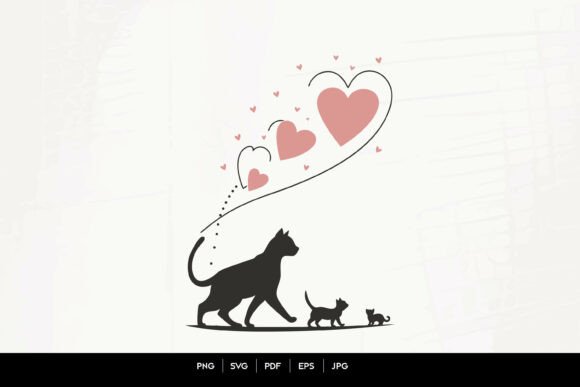
My initial assessment of Cat Mom Love Line Art focuses on its emotional resonance and structural integrity. The design captures a tender moment between a mother cat and kitten, utilizing clean, continuous lines that suggest movement and affection without visual clutter. For an embroidery project, this minimalist aesthetic is highly valuable. It creates a mood of warmth and modern sophistication that appeals to current market trends. Unlike dense, cartoonish graphics, this illustration feels more like boutique art than generic clip art.
The layout is balanced, which is critical for centering in a hoop size. The negative space around the feline figures allows the fabric texture to breathe, making it an excellent candidate for apparel where heavy designs can cause sagging. As a graphic asset, it communicates "cat family" and "pet love" instantly, but the line work style elevates it above standard novelty items. This makes it suitable for adult custom apparel and nursery decor alike, bridging the gap between playful and elegant.
Real-World Application: The Sweatshirt Test
To truly judge this design, I mentally walked through a recent client request for a personalized sweatshirt. Fleece and French terry fabrics are notoriously tricky for fine details because of their pile and stretch. Cat Mom Love Line Art, being primarily linear, presents a unique challenge here. If digitized correctly as a running stitch or light satin stitch, it should sit beautifully on top of the fabric rather than sinking in.
In this scenario, I would position the design on the left chest or centered below the neckline. The open nature of the line art means less thread density, resulting in a softer hand feel that customers appreciate in loungewear. However, this also means stabilization is non-negotiable. For this sweatshirt embroidery application, I would recommend a cut-away stabilizer to prevent the fabric from shifting during stitching. The goal is to maintain the crispness of the cat silhouette against the textured background. If the lines are too thin, they disappear; if they are too thick, they look clunky. This design appears to strike the right balance for mid-weight garments, provided you verify the stitch width before production.
Versatility Across Crafts and Commercial Products
Beyond apparel, this design shows significant promise for various commercial embroidery ventures. As an Etsy seller or small shop owner, versatility drives profitability. Here is how I see Cat Mom Love Line Art fitting into different product categories:
- Tote Bag Design: Canvas tote bags provide a stable, flat surface ideal for line art. The design would work exceptionally well as a large center placement or a smaller pocket-sized accent. Because canvas doesn't stretch like knit fabric, the stitching remains crisp, making the finished product look high-end.
- Nursery and Baby Embroidery: The gentle theme of mothercat and kittenlove makes this perfect for baby blankets or bibs. However, for baby items, safety and comfort are paramount. You must ensure there are no long jump stitches on the back that could snag tiny fingers. A water-soluble topping might be necessary if stitching on plush minky fabric to keep the lines visible.
- Kitchen Textiles: Tea towels and aprons are staples for craft business inventory. Line art stitches out quickly, allowing for higher production volume compared to dense fill stitch designs. This efficiency improves profit margins on lower-priced items like holiday embroidery gifts.
- Patches and Caps: While possible, these require caution. Curved surfaces on caps can distort horizontal lines. If using this for an embroidered patch, ensure the border definition is strong enough to hold the shape during the merrowing or cutting process.
Critical Considerations for Fabric and Stabilization
While Cat Mom Love Line Art is versatile, it is not bulletproof. There are specific scenarios where I would advise extra testing or modification. Dark fabrics are the primary concern. Fine line art relies on contrast. If you are stitching white thread on black cotton, the visual impact is stunning. However, if you attempt tone-on-tone stitching (e.g., grey thread on charcoal fabric), the design may vanish entirely. Always test thread colors against your specific fabric swatch before committing to a full run.
Stretchy performance fabrics also warrant hesitation. Athletic wear moves significantly during stitching. Even with proper stabilizer, fine lines can warp or pucker on spandex blends. If you plan to use this for activewear, consider adding a subtle background element or increasing the stitch width slightly to anchor the design better. Additionally, be mindful of washability. Line art generally holds up well, but frequent industrial washing can fray single running stitches. For items destined for heavy laundering, a double-run stitch or narrow satin stitch column is preferable to a single pass.
Designer Notes for Professional Results
Achieving a professional finish with Cat Mom Love Line Art requires diligence beyond simply loading the embroidery file. Whether you are creating a personalized gift or stocking your boutique, follow these practical steps:
- Verify File Compatibility: The package includes SVG, PNG, EPS, PDF, and JPG formats. Remember that these are vector and raster graphics, not native machine embroidery files like DST or PES. You or your digitizer must convert these source files into a stitch format appropriate for your machine. Do not assume auto-digitizing software will perfectly interpret the artistic flow of the lines.
- Test Stitch Density: Before selling any finished product, stitch a sample on scrap fabric identical to your final material. Check if the lines connect smoothly or if there are excessive trims. Excessive trims slow down production and increase the risk of thread nests.
- Mockup Validation: Use the included PNG and JPG files to create printable mockups for your online listings. However, always photograph your actual stitched sample for at least one listing image. Customers trust photos of real embroidery over digital renders. This transparency builds buyer engagement and reduces returns.
- Licensing Check: Confirm the usage rights included with your purchase. Ensure you are permitted to sell physical embroidered items versus just using the design assets for digital products. Respecting intellectual property protects your business reputation.
- Scale Appropriately: Line art loses detail when shrunk too small. Determine the minimum viable size where the cat’s features remain distinct. Conversely, enlarging it too much without adjusting stitch parameters can result in gaping gaps between stitches. Find the sweet spot for each product type.
Elevating Brand Value Through Thoughtful Design
Ultimately, Cat Mom Love Line Art succeeds because it respects the intelligence of the maker and the taste of the consumer. It avoids the cluttered, chaotic look that plagues many pet-themed crafts. By focusing on clean aesthetics and emotional connection, it allows your craftsmanship to shine. When executed with proper stabilization and thread selection, this design transforms a basic garment or textile into a cherished item.
For creative entrepreneurs, this graphic serves as a reliable foundation for building a cohesive collection. Its adaptability across sweatshirts, totes, and nursery items means you can offer a consistent brand aesthetic without repetitive design work. Just remember that in embroidery, the difference between a hobbyist result and a professional product lies in the testing phase. Treat this line art with the technical respect it deserves, and it will yield beautiful, sellable results that celebrate the bond between cats and their humans.