First Time Mom EST. 2025: A Designer’s Review
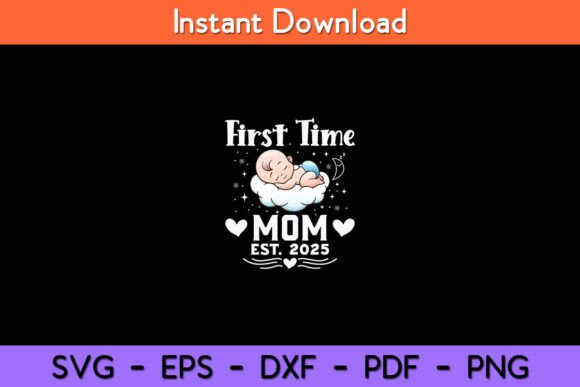
As a professional embroidery digitizer and product reviewer, I approach every new machine embroidery design with a critical eye for how it will actually perform under the needle. The "First Time Mom EST. 2025 Cute" graphic has been trending in digital marketplaces, primarily marketed as an SVG for cutting machines. However, for those of us in the craft business who bridge the gap between vinyl and thread, this design presents a unique opportunity for the upcoming season. Before you load this file into your software or purchase a pre-digitized version, it is vital to understand how this specific aesthetic translates from a vector graphic to a tangible handmade product.
Translating Vector Aesthetics to Thread Reality
My first impression of the First Time Mom EST. 2025 Cute design is that it relies heavily on clean lines and retro-inspired typography. Visually, it evokes nostalgia while marking a modern milestone. For an Etsy seller or boutique owner, this balance is gold. It feels personal rather than generic. However, as a digital embroidery file, the "cute" factor depends entirely on execution. Vector graphics often feature thin, uniform lines that look crisp on screen but can disappear or tunnel into fabric when stitched without modification.
When evaluating this for real-world application, I immediately look at the lettering. If the original asset uses a delicate script or thin sans-serif font common in current Graphics trends, it cannot simply be auto-digitized. To maintain the integrity of the design on fabric, these elements often need to be converted to a satin stitch column or reinforced with a running stitch outline. The mood of the piece is celebratory and soft; aggressive, dense stitching would ruin that vintage charm. As a designer, I see this working best when the digitizing respects the negative space, allowing the fabric texture to breathe rather than covering it completely with heavy ink-like coverage.
Real-World Application: The Sweatshirt Test
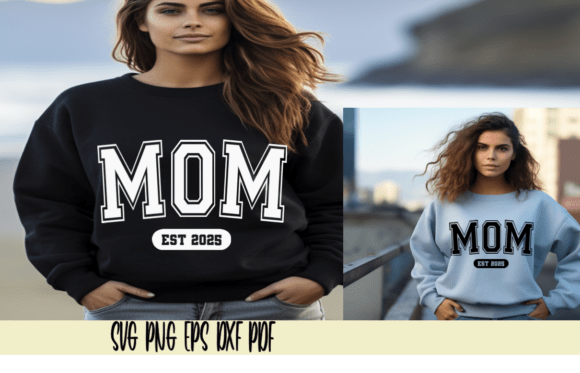
To truly judge the viability of First Time Mom EST. 2025 Cute, I mentally place it on a standard Gildan or Comfort Colors sweatshirt, which is currently the industry standard for custom apparel. Imagine preparing a personalized gift for a client expecting their first child in early 2025. The goal is a wearable keepsake, not just a novelty item.
In this scenario, placement is everything. This design typically works best as a left-chest pocket-sized motif or a centered chest placement. A full-back print might lose the intimate "first-time mom" sentiment. When stitching this on fleece-backed sweatshirt material, the pile of the fabric can swallow fine details. I would recommend using a water-soluble topping stabilizer to keep the stitches sitting on top of the fabric fibers. Without this step, the "EST. 2025" text could become illegible after the first wash. For a small shop product, this attention to detail distinguishes a professional garment from a hobbyist attempt. Customers trust sellers who understand that readability equals quality.
Navigating Fabric Limitations and Hoop Constraints
While this design shines on stable knits, caution is required for other substrates. Many makers want to apply this to baby onesies, tea towels, or tote bags. Each presents distinct challenges for this specific artwork.
- Baby Embroidery: If adapting First Time Mom EST. 2025 Cute for infant wear, you must reduce the density. Babies have sensitive skin, and a dense fill stitch area can feel scratchy or stiff. Consider using an applique design technique for larger shapes within the logo to reduce stitch count and increase softness.
- Tote Bag Design: Canvas totes are forgiving, but they are unstructured. If the design includes small accent stars or hearts typical of "cute" aesthetics, ensure they are large enough to register clearly. Tiny details on coarse canvas often look like thread nests.
- Stretchy Fabrics: On ribbed knits or stretchy jersey, the horizontal span of "EST. 2025" can distort during hooping. Always use a cut-away stabilizer rather than tear-away to prevent the design from warping once removed from the hoop.
Furthermore, verify your hoop size compatibility before purchasing or digitizing. Some versions of this trend include elaborate flourishes that exceed standard 4x4 hoops. Knowing your machine's limitations prevents mid-project frustration and wasted materials.
Commercial Viability and Brand Consistency
For creative entrepreneurs, the question isn't just "does it stitch out well?" but "will it sell?" First Time Mom EST. 2025 Cute hits a high-demand niche. However, because it is a popular phrase, differentiation is key. Using this embroidery project effectively means making it your own through color and context.
Thread color selection dramatically alters the perceived value. While black and white is classic, consider muted earth tones, sage greens, or dusty roses that align with modern nursery trends. These choices signal to the buyer that you understand current aesthetics. When creating printable mockups for your listings, show the design on realistic garments rather than flat digital renders. Buyers need to visualize the texture. Does the satin stitch have a sheen? Is the registration tight? High-quality photos of the actual finished product build customer trust far better than generic digital previews.
Also, consider the longevity of the design. "EST. 2025" makes this time-sensitive. As a business strategy, plan your inventory accordingly. This is a perfect Q4 holiday seller and Q1 baby shower staple, but its relevance drops sharply afterward. Smart commercial embroidery planning involves maximizing this window through targeted marketing and ready-to-ship options.
Essential Pre-Stitch Checklist for Makers
Before you commit this design to a final product or list it in your shop, run through this practical evaluation protocol. Skipping these steps is the most common cause of poor reviews and returns in the handmade community.
- Verify Licensing: Since the source description mentions SVGs for Cricut and Silhouette, confirm explicitly that you have the rights to use the design for machine embroidery. Digital cutting licenses do not automatically cover embroidery digitization or commercial sale of stitched goods.
- Test Stitch on Scrap: Never assume a downloaded embroidery file is perfect. Stitch it out on a scrap of the exact fabric you intend to use. Check for gaps between outlines and fills, and ensure the text is legible at the intended size.
- Audit Stitch Density: Open the file in your editing software. If the density is too high for your chosen fabric, adjust it. Overly dense designs cause puckering and needle breaks.
- Check Small Details: Measure the smallest elements. If any part of the design is under 1mm wide, it likely needs to be resized or simplified to stitch cleanly.
- Mockup Validation: Create both light and dark background mockups. Ensure the design has sufficient contrast against various garment colors. What pops on white might vanish on navy.
Final Thoughts on Design Integrity
First Time Mom EST. 2025 Cute offers immense potential for personalized gifts and boutique merchandise, provided it is treated with technical respect. It is more than just a trendy phrase; it is a sentimental marker for a major life event. As makers, our job is to honor that sentiment through superior craftsmanship. Whether you are creating an embroidered patch, a nursery pillow, or a mama sweatshirt, the success lies in the details. By understanding the interplay between the digital art and the physical thread, you transform a simple graphic into a cherished heirloom. Always prioritize the stitch-out quality over speed, and your customers will recognize the difference in every loop and satin column.