First Christmas As a Mom New Daddy 1st Review
As a professional embroidery digitizer and product reviewer, I approach every new design file with a critical eye. When evaluating First Christmas As a Mom New Daddy 1st, my primary concern is not just how the graphic looks on a screen, but how it translates into physical thread on fabric. This design targets a highly emotional and specific niche: new parents celebrating their inaugural holiday season as a family. For Etsy sellers, craft business owners, and apparel decorators, this sentiment carries significant weight. However, because this product description highlights its origins as an SVG for cutting machines like Cricut and Silhouette, we must carefully assess its viability as a machine embroidery design before committing it to a sweatshirt or baby onesie.
Evaluating Visual Hierarchy and Emotional Impact
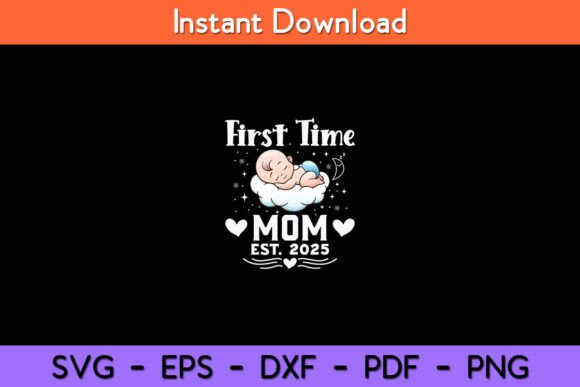
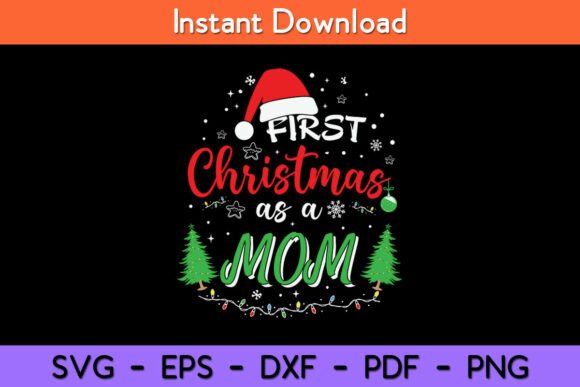
The immediate strength of First Christmas As a Mom New Daddy 1st lies in its narrative clarity. In the world of personalized gifts and holiday embroidery, customers are buying a memory, not just ink or thread. The layout typically balances three distinct elements: the mother’s milestone, the father’s milestone, and the shared "1st" designation. From a design perspective, this requires excellent visual hierarchy. If the text sizes are too uniform, the design becomes a block of reading rather than a graphic statement.
When I review this type of typography-heavy artwork for embroidery, I look for intentional spacing. Does the design allow for negative space between letters? Tight kerning that works beautifully in vinyl can become a disaster in satin stitch, causing thread buildup and fabric puckering. For a handmade product intended to be cherished, the lettering needs to feel airy and legible from a distance. If you are using this for custom apparel, ensure the font style matches the cozy, nostalgic mood of a first Christmas. Script fonts should have open loops, while block fonts should have rounded corners to prevent sharp needle penetrations that could tear delicate knits.
Real-World Application: The Family Sweatshirt Test
To truly judge the utility of First Christmas As a Mom New Daddy 1st, let us consider a real-life scenario: creating matching crewneck sweatshirts for a couple’s first holiday photo shoot. This is a high-demand item for small shop products and boutique branding during Q4. Sweatshirt fleece is textured and stretchy, presenting specific challenges for digital embroidery files derived from vector graphics.
In this application, the design serves as the centerpiece. As a reviewer, I would test this embroidery project on a scrap of similar fleece weight first. Because the original asset is marketed as a cutting file, you must verify if the included embroidery formats (like PES, DST, or JEF) have been professionally digitized specifically for stitch, or if they are merely auto-digitized conversions. Auto-digitized text often lacks proper underlay and tie-ins. For a sweatshirt embroidery project, I recommend using a cutaway stabilizer to support the stretchy fabric and maintain registration. If the design includes intricate flourishes, check whether those elements are running stitch or satin stitch. Running stitch offers a softer, more vintage hand-feel appropriate for baby embroidery and nursery decor, whereas heavy satin stitch might make the garment stiff and uncomfortable against skin.
Fabric Compatibility and Technical Constraints
Versatility is key for commercial embroidery assets. While First Christmas As a Mom New Daddy 1st shines on mid-weight cottons and fleece, you must exercise caution with other substrates common in the Crafts category.
- Baby Clothes and Onesies: These garments have limited hoop size availability and thin fabric texture. Ensure the design scales down without losing legibility. Tiny serifs or thin connecting lines may disappear or cause thread breaks at smaller sizes. Always use a lightweight tear-away or wash-away stabilizer to avoid bulk.
- Tote Bag Design: Canvas tote bags provide a stable base, making them ideal for this design. However, canvas is dense. Check your stitch density settings; too many stitches in one area can perforate the fabric like a stamp. A lower density fill stitch or redwork style often yields a better finished product on heavy canvas.
- Kitchen Towels and Tea Towels: Terry cloth and waffle weave textures can swallow fine details. If applying First Christmas As a Mom New Daddy 1st to these items, consider adding a topping stabilizer to keep the stitches crisp and visible above the fabric pile.
- Caps and Curved Surfaces: Unless the design has been specifically digitized for caps (with center-out stitching sequences), avoid placing wide horizontal text designs on curved hat fronts. The distortion will ruin the professional appearance.
Commercial Viability for Sellers and Makers
For Etsy sellers and creative entrepreneurs, time is money. A reliable embroidery file reduces production waste and increases customer trust. When listing items featuring First Christmas As a Mom New Daddy 1st, your product photography and mockups must accurately represent the stitch texture. Do not rely solely on flat digital previews. Buyers want to see how the thread interacts with the fabric grain.
From a business standpoint, verify the licensing terms immediately. Just because a file is available as an instant download does not automatically grant commercial rights for selling finished embroidered goods or distributing the digital embroidery file itself. Protect your craft business by confirming you can legally monetize this specific asset. Furthermore, consider offering variations. Can this design be easily modified to say "Grandma" or "Nana"? Adapting core design assets extends their shelf life and appeals to a broader demographic seeking personalized gifts.
Essential Pre-Stitch Checklist for Professionals
Before loading First Christmas As a Mom New Daddy 1st into your machine for a client order, run through this practical evaluation list. These steps distinguish hobbyists from professional apparel decorators:
- Verify File Integrity: Confirm the embroidery file format matches your machine. Since the source is SVG-based, inspect the digitizing quality. Look for jump stitches that need trimming and ensure color stops are logical to minimize thread changes.
- Test Stitch Density: Run a sew-out on the exact fabric you intend to use. Feel the back of the embroidery. Is it bulletproof? If so, the density is too high for comfortable wear. Adjust pull compensation if gaps appear between outline and fill.
- Contrast Check: Test thread colors against both light and dark backgrounds. White thread on white fleece requires tonal texture to be visible, while dark thread on dark fabric needs adequate lighting in your printable mockup to show detail.
- Scale Assessment: Determine the minimum viable size. Measure the smallest text element. If it is less than 5mm tall, it may require redesigning for embroidery safety.
- Stabilizer Matching: Never guess. Match stabilizer weight to fabric drape. Heavy stabilizer on light baby clothes ruins the garment's value.
Final Thoughts on Design Execution
First Christmas As a Mom New Daddy 1st represents a powerful opportunity for makers to connect with clients during a pivotal life moment. Its success as an embroidery project depends entirely on technical execution. Treat the SVG origin as a starting point, not a guarantee. By validating stitch paths, respecting fabric limitations, and prioritizing comfort alongside aesthetics, you transform a simple digital graphic into a tangible heirloom. Whether you are producing holiday gifts, expanding your Etsy listings, or fulfilling custom orders, approaching this design with professional scrutiny ensures your finished product honors the sentiment it celebrates. Always prioritize the integrity of the stitch over the speed of production, and your customers will recognize the quality in every thread.