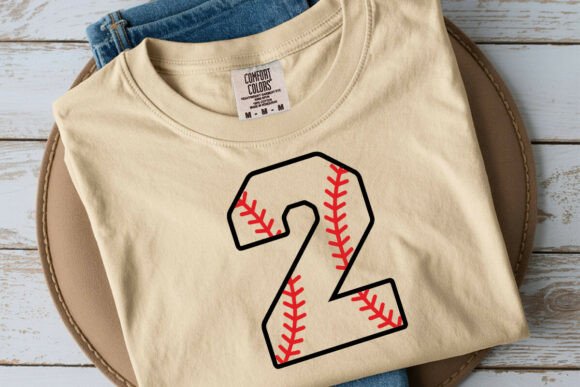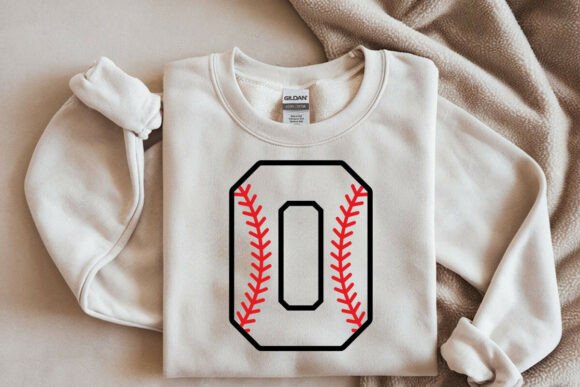
Baseball Number Zero SVG: A Designer’s Stitch Review
As a professional embroidery digitizer and product reviewer, I approach every new graphic asset with a specific question: will this actually stitch out cleanly on fabric? When evaluating the Baseball Number Zero Svg, Baseball Zero, my assessment goes far beyond how the vector looks on a computer screen. For crafters, Etsy sellers, and apparel decorators, the true value of this design lies in its translation from a digital cut file to a tangible, high-quality embroidered product. This review breaks down the practical realities of using this baseball zero design in real-world production scenarios, focusing on stitch integrity, commercial viability, and aesthetic appeal for handmade goods.
First Impressions: Visual Weight and Athletic Authenticity
Upon opening the ZIP file containing the Baseball Number Zero Svg, Baseball Zero, the immediate impression is one of classic athletic typography. The shape possesses the necessary visual weight required for sports graphics. In the world of Crafts and Graphics, a number zero can easily look like an "O" or become visually lost if the stroke width is too thin. Fortunately, this design maintains a bold profile that suggests durability. For an embroidery designer, this thickness is promising. It implies that when converted into a machine embroidery design, there is adequate space for proper column widths without risking needle breaks or fabric puckering.
The mood is undeniably nostalgic yet functional. It strikes the right balance between vintage Americana and modern team spirit. This versatility makes it an excellent candidate for various niches, from "Baseball Mom" merchandise to youth league uniforms. As a digital embroidery file source, the clean lines suggest it will digitize well into both satin stitch borders and fill stitch interiors, depending on the desired final texture. The lack of unnecessary distressing or grunge effects in the base vector is a major positive; it allows the embroiderer to decide whether to keep it crisp or add texture manually during the digitizing process, rather than fighting against pre-existing jagged edges.
Real-World Application: The Custom Sweatshirt Test
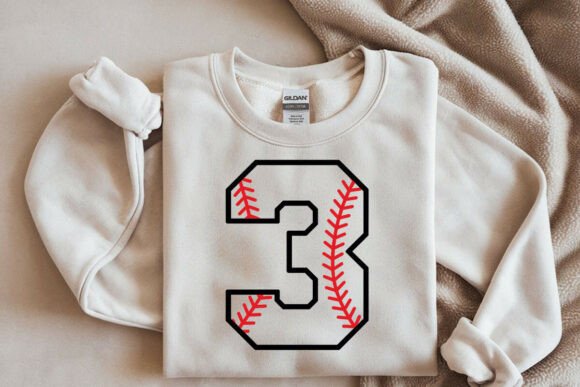
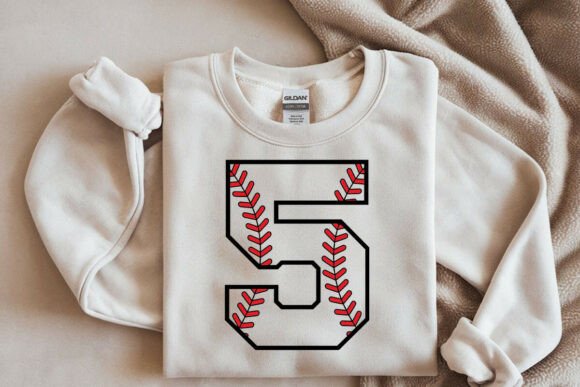
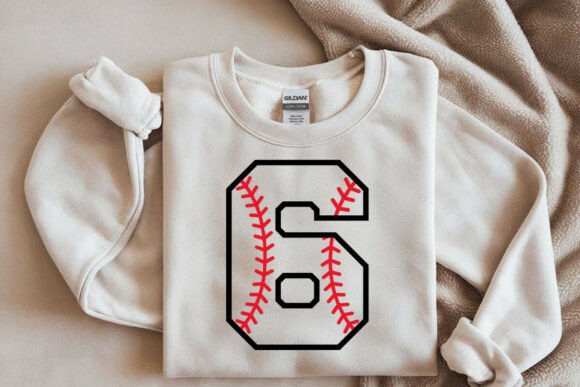
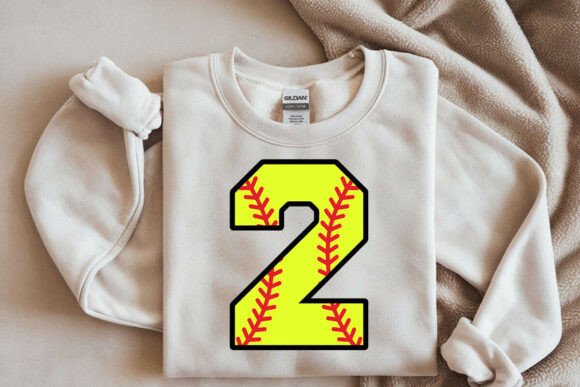
To truly judge this asset, I mentally applied it to a current client request: a custom crewneck sweatshirt for a travel ball team fundraiser. Sweatshirt fleece is a challenging substrate due to its loft and stretch. Using the Baseball Number Zero Svg, Baseball Zero as the foundation for this project requires strategic planning. Because the design is originally a cut file for Cricut or Silhouette, it must be properly digitized before hitting the hoop.
In this scenario, I envision the zero serving as the primary focal point on the back of the garment. For a sweatshirt embroidery project, the bold geometry of this zero allows for a dense fill stitch that sits atop the fabric nap without sinking in. If I were creating an applique design version to reduce stitch count and maintain softness, the smooth curves of this SVG would make cutting the fabric piece precise and easy. The visual personality of the number holds up even when scaled to six inches tall. Customers recognize quality through consistency; if the curves of the zero are mathematically smooth in the vector, they will stitch out smoothly, reinforcing trust in your handmade product.
Navigating Fabric Variables and Hoop Limitations
While the Baseball Number Zero Svg, Baseball Zero is versatile, experienced makers know that context dictates success. There are specific environments where this design demands caution. On textured fabrics like terry cloth towels or pique polos, the open areas of a standard zero might get lost. In these cases, you must adjust the stitch density or utilize a knockdown stitch beneath the design to create a smooth platform.
Stretchy performance fabrics present another challenge. If you are producing custom apparel for active players, the sheer size of a jersey number can cause tunneling if the stabilizer choice is inadequate. Although the SVG provides perfect geometry, your embroidery software must account for fabric push-and-pull. I recommend testing this design on scrap material identical to your final product before committing to a full run. Additionally, be mindful of hoop size. While the vector scales infinitely, your machine has physical limits. Ensure the proportions of the zero remain aesthetically pleasing when resized to fit smaller hoops for items like baby onesies or caps. Distorting the aspect ratio to fit a 4x4 hoop can ruin the athletic authenticity of the typeface.
Critical Considerations for Small Details and Curved Surfaces
- Cap Embroidery: The curved surface of a hat distorts flat vectors. When adapting this zero for caps, ensure the top and bottom curves do not flatten out excessively during digitizing.
- Baby Embroidery: For infant garments, reduce the overall density to prevent the fabric from becoming bulletproof. The Baseball Number Zero Svg, Baseball Zero is bold, so scaling it down for a bib requires simplifying internal stitch paths.
- Dark Fabrics: High contrast is key. Test thread colors against navy or black backgrounds to ensure the zero reads clearly from a distance. White thread on dark fabric often requires extra underlay to prevent the fabric color from bleeding through.
- Frequent Washing: For items like tote bags or kitchen towels, secure the edges with a robust running stitch or edge run to prevent fraying over time.
Commercial Viability for Etsy Sellers and Small Shops
For the Etsy seller or small business owner, this design represents more than just a graphic; it is a revenue stream enabler. The "Baseball Mom" and jersey number niche is evergreen, but competition is fierce. Your differentiator is execution. Using the Baseball Number Zero Svg, Baseball Zero allows for rapid prototyping of printable mockups and digital previews. Because the vector is clean, you can quickly generate listings showing the design on various products before stitching a single sample.
However, professionalism is paramount. Before selling any finished product or listing this as part of your design assets, you must verify the licensing terms included in the ZIP file. Confirm whether commercial use is permitted for physical goods versus digital redistribution. Nothing damages a craft business reputation faster than copyright infringement. Assuming the license permits, this design is ideal for bundling into personalized gift sets. Pairing this zero with a name or year creates a complete embroidery project that commands a higher price point than a standalone graphic. The recognizability of the font style also aids in brand consistency; if customers love the look of your numbers, they will return for matching letters and other team gear.
Designer Notes for Optimal Stitch Quality
To maximize the potential of the Baseball Number Zero Svg, Baseball Zero, treat the vector as a blueprint rather than a final instruction. Always inspect the node structure in your vector editing software before importing it into your embroidery program. Stray nodes or overlapping paths in an SVG can translate to unnecessary trims or jumps in your embroidery file. Clean up the artwork first to save production time later.
When digitizing, consider the end user. Will this embroidered patch be sewn onto a backpack? Will this tote bag design carry heavy books? Adjust your underlay accordingly. For commercial embroidery projects, efficiency matters. Optimize the stitch path to minimize trims and reduce runtime without sacrificing coverage. Finally, always document your settings. Note which stabilizer worked best with this specific zero design on different fabrics. This institutional knowledge transforms a simple SVG download into a reliable, repeatable asset for your studio. By approaching the Baseball Number Zero Svg, Baseball Zero with technical scrutiny and creative foresight, you ensure that every stitch reflects the quality your customers expect and your business deserves.