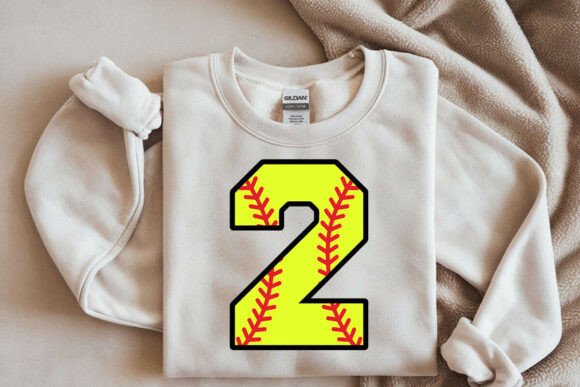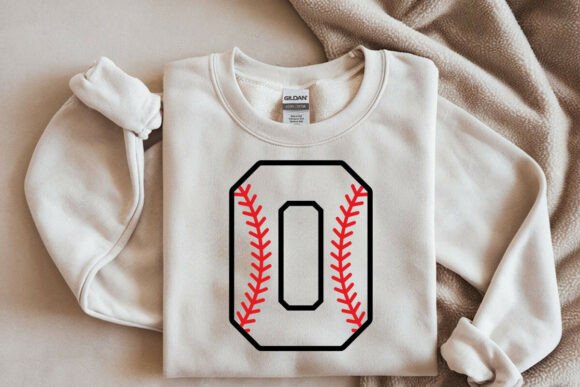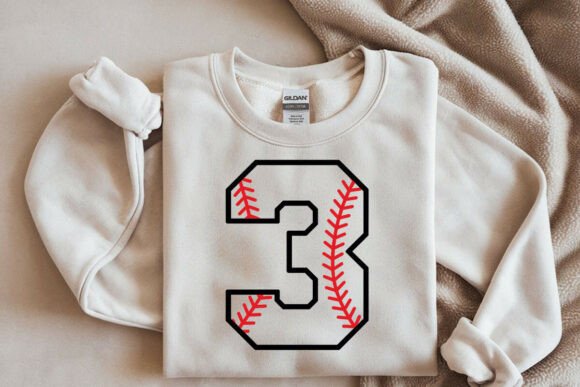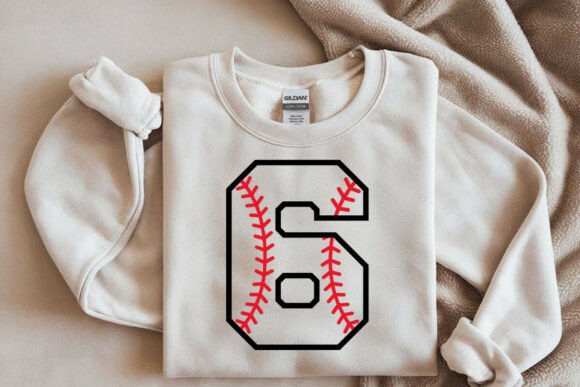
Baseball Number Five SVG: A Designer's Stitch Test
As a professional embroidery digitizer and product reviewer, I approach every new graphic asset with a healthy dose of skepticism. When evaluating the Baseball Number Five Svg, Fifth Birthday collection, my primary concern is not just how the vector looks on a screen, but how it translates into physical thread on fabric. For crafters, Etsy sellers, and apparel decorators, the gap between a digital file and a finished product is where reputation is built or lost. This review dissects the practical application of this design for real-world embroidery projects, focusing on stitch integrity, commercial viability, and customer appeal.
First Impressions: Visual Weight and Thematic Clarity
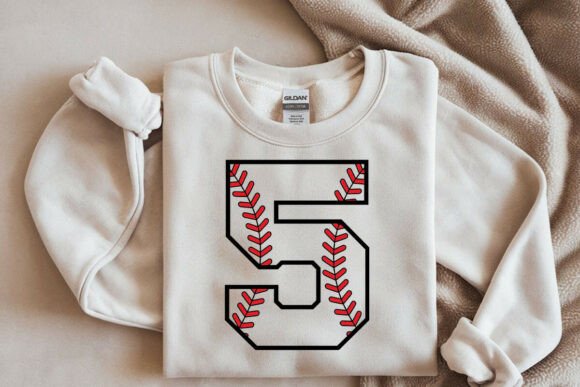
Upon opening the ZIP file containing the separate files for single designs, the immediate strength of this asset is its bold, athletic geometry. The number five is distinct, utilizing classic jersey typography that communicates "sports" instantly without needing excessive detail. For a machine embroidery design, this simplicity is a major advantage. Intricate graphics often fail when scaled down or stitched on textured fabrics, but the blocky nature of this baseball theme allows for clean satin stitch borders and manageable fill stitch areas.
The mood is celebratory yet structured. It avoids the cutesy, overly complex aesthetic that can date a personalized gift quickly. Instead, it offers a timeless varsity feel that appeals to both parents planning a fifth birthday party and boutique owners creating seasonal merchandise. As a graphic resource, it provides a solid foundation for customization, allowing makers to add names or years without overcrowding the hoop.
Real-World Application: The Custom Sweatshirt Test
To truly evaluate this design, I mentally applied it to a high-demand scenario: a custom embroidered sweatshirt for a fifth birthday celebration. In this context, the Baseball Number Five Svg, Fifth Birthday serves as the focal point of a handmade product. Sweatshirts are typically made of fleece or French terry, materials that have loft and stretch. A poorly digitized or adapted design will sink into the pile or distort the garment.
Because this design features strong linear elements typical of jersey numbers, it performs exceptionally well on these heavier knits. The visual weight of the number holds up against the fabric texture. For an Etsy seller or small shop owner, this means fewer production failures. When I visualize stitching this out, the contrast between a white number five on a navy or forest green sweatshirt creates immediate retail value. It looks professional rather than homemade, which is critical for building buyer trust and justifying premium pricing for custom apparel.
Furthermore, this design transitions seamlessly into other categories. While perfect for birthday wear, the same vector assets work beautifully for a tote bag design or an embroidered patch. The versatility reduces the need for multiple purchases, making it a cost-effective addition to a commercial embroidery library.
Critical Considerations for Fabric and Hoop Selection
Despite its versatility, no digital embroidery file is immune to physics. There are specific scenarios where you must exercise caution with this baseball motif. If you are working with thin, sheer fabrics or highly elastic performance wear, the density of the number’s fill stitch could cause puckering or tearing. Always pair this design with an appropriate stabilizer; a cut-away backing is non-negotiable for stretchy knits to maintain the shape of the five after washing.
Hoop size selection also dictates success. While the design is scalable, reducing it too far for items like baby onesies or sleeve cuffs risks losing the definition of the jersey style. Tiny lettering or thin internal details within the number may turn into a thread blob if pushed below a certain threshold. Conversely, when scaling up for a large back print on a jacket, ensure your machine can handle the increased stitch density without excessive pull compensation issues. For curved surfaces like caps, verify that the design has been specifically tested or modified for cylindrical hooping; flat vectors do not always map correctly to 3D hat frames without distortion.
Enhancing Product Value and Brand Consistency
For creative entrepreneurs, consistency is key to brand recognition. Using cohesive graphics like the Baseball Number Five Svg, Fifth Birthday helps establish a recognizable aesthetic across your shop. Whether you are selling baby embroidery items, holiday embroidery gifts, or team mom gear, maintaining a uniform stitch style builds professionalism. Customers return to shops where they know the quality is predictable.
This design also aids in marketing. Clean, bold graphics photograph well. When creating a printable mockup or listing photo, the high contrast of the baseball number ensures the design pops even in thumbnail size. This directly impacts click-through rates on platforms like Etsy. Additionally, offering this as part of a bundle for other makers (if licensing permits) can create a secondary revenue stream for design assets. However, always distinguish between the SVG/PNG files intended for vinyl cutting or sublimation and true embroidery formats. Never sell a vector file as an embroidery file unless it has been properly digitized with stitch attributes.
Practical Designer Notes for Successful Execution
Before committing this design to a client project or inventory run, adhere to these professional best practices:
- Test Stitch First: Always run a sew-out on scrap fabric that matches your final project material. Check for registration issues between the outline and fill.
- Verify Thread Colors: Baseball aesthetics rely on specific colorways. Test thread contrast in natural light; what looks good on a monitor may lack pop under indoor lighting.
- Check Licensing: Confirm whether your purchase includes commercial rights for selling finished products versus digital files. This distinction is vital for legal compliance.
- Mockup Validation: Create black and white mockups to test value contrast. If the design disappears in grayscale, it may need higher contrast thread colors in production.
- Stabilizer Matching: Use tear-away for stable wovens and cut-away for knits. For towels or plush fabrics, consider a water-soluble topping to prevent stitches from sinking.
- File Format Confirmation: Ensure you have the correct machine format (.PES, .DST, .EXP, etc.) before starting. The provided ZIP contains vectors; verify if pre-digitized embroidery files are included or if you must digitize them yourself.
Final Verdict for Makers and Sellers
The Baseball Number Five Svg, Fifth Birthday is a robust asset for the serious crafter and business owner. Its strength lies in its adaptability and classic visual language, making it suitable for everything from nursery decor to commercial embroidery runs. By respecting the technical requirements of stitch density and fabric choice, you can transform this digital graphic into a high-value finished product that delights customers and withstands the rigors of active childhood wear. Approach it with technical discipline, and it will serve as a reliable staple in your embroidery portfolio.