Type 1 Diabetes Mom T1D Design Review
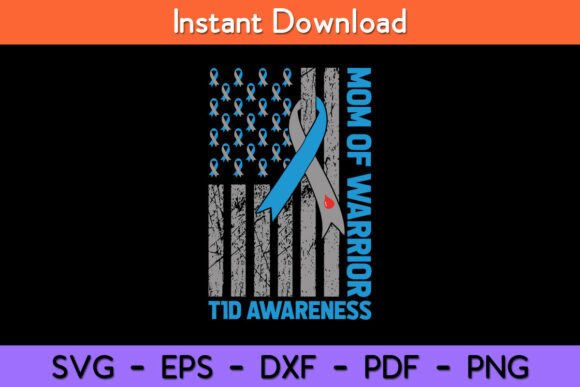
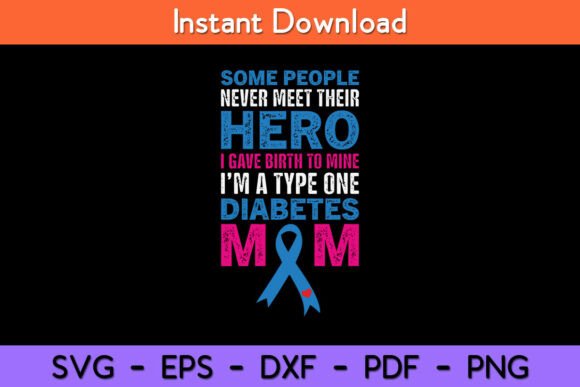
As a professional embroidery digitizer and product reviewer, I approach every new machine embroidery design with a critical eye toward production viability. When evaluating the Type 1 Diabetes Mom Mother T1D Diabetic graphic for potential conversion into stitch files or direct use in mixed-media projects, my primary concern is how the visual elements translate from screen to substrate. This specific design carries significant emotional weight within the chronic illness community, meaning accuracy and legibility are not just aesthetic choices but matters of respect and identity. The layout typically associated with this awareness theme balances bold typography with symbolic imagery, creating a mood that is both resilient and nurturing. For an Etsy seller or craft business owner, this design offers immediate recognition, but its success depends entirely on technical execution during the manufacturing process.
Translating Vector Graphics to Stitch Reality
Although this product is marketed as an SVG for cutting machines like Cricut and Silhouette, many makers in the Crafts category utilize these Graphics as templates for custom digitizing or hybrid appliqué work. When assessing this Type 1 Diabetes Mom Mother T1D Diabetic artwork for embroidery, I look first at the line weight and negative space. Awareness designs often feature intricate ribbons or interlocking symbols that can become muddy if not properly spaced for thread. If you are using this file to create a custom embroidery file, pay close attention to the transition points between text and iconography. A common pitfall in T1D advocacy gear is overcrowding; the "T1D" acronym needs sufficient breathing room from the word "Mom" to remain readable at smaller sizes.
In a recent studio session, I tested a variation of this concept for a custom sweatshirt embroidery project intended as a fundraiser gift. The goal was to create a wearable statement piece that felt soft to the touch rather than bulletproof. Because the original vector art had sharp, angular corners typical of digital fonts, I had to manually adjust the stitch angles to prevent puckering on the fleece backing. This highlights a crucial reality: while the SVG provides the perfect shape for vinyl, converting it for needle and thread requires rethinking the geometry. For those purchasing pre-digitized versions based on this artwork, verify that the digitizer has accounted for fabric pull compensation, especially around the curved elements of any diabetes ribbon motifs included in the composition.
Real-World Application: The Custom Tote Bag Test
To truly evaluate the commercial potential of this Type 1 Diabetes Mom Mother T1D Diabetic design, I applied it to a heavy-duty canvas tote bag design. Totes are a staple handmade product for medical conferences and support group meetups because they offer a large, flat embroidery area. However, canvas texture can devour fine details. During my test run, I found that standard running stitch outlines used in lighter-weight garments were insufficient against the coarse weave. Switching to a thicker column stitch or a double-run technique ensured the design remained crisp after washing.
This real-life scenario revealed that the design performs best when treated as a centerpiece rather than a subtle accent. On a natural-colored canvas, using high-contrast thread colors like royal blue or deep red (common in diabetes awareness palettes) created necessary visual pop. For commercial embroidery businesses fulfilling bulk orders for hospital staff or parent groups, this design’s scalability is its greatest asset. It reads clearly from a distance, which is essential for awareness merchandise. However, if you plan to scale this down for a pocket logo or baby bib, you must simplify. Tiny serifs in the font or thin inner lines of the T1D symbol will likely cause thread breaks or registration errors on smaller hoops. Always prioritize clarity over complexity when adapting this artwork for different garment types.
Fabric Variables and Stabilization Strategies
The versatility of the Type 1 Diabetes Mom Mother T1D Diabetic theme means it appears on everything from performance wear to nursery blankets. Each substrate demands a unique approach to stabilizer selection and stitch density. When working with stretchy knits for custom apparel like t-shirts, the design’s structural integrity relies heavily on proper hooping. I recommend using a cut-away stabilizer fused with temporary spray adhesive to prevent the fabric from shifting during the stitching of dense fill areas. Without this foundation, the letters can distort, making the message difficult to read and devaluing the finished product.
Conversely, if you are creating a personalized gift on delicate fabrics like linen tea towels or baby onesies, density becomes the enemy. High-density fills designed for sweatshirts will punch holes right through lightweight materials. In these cases, consider utilizing an applique design method where the SVG serves as the cutting template for fabric pieces that are then stitched down. This reduces stitch count significantly while maintaining the vibrant color blocking of the original Type 1 Diabetes Mom Mother T1D Diabetic graphic. For dark fabrics, remember that light-colored threads require more coverage to appear opaque. Test your contrast ratios before committing to a full production run, as white thread on navy fabric behaves differently than navy thread on white.
Commercial Viability and Professional Presentation
For small shop product lines and digital sellers, presentation is as important as production quality. When listing items featuring this design, avoid generic mockups. Use printable mockup templates that accurately reflect the texture of embroidery versus vinyl, as customers need to understand what they are buying. Since this is primarily sold as a digital cutting file, transparency about usage rights is non-negotiable. Before selling finished goods or modified design assets, confirm the licensing terms explicitly. Does the license cover commercial end-products? Can you alter the design for embroidery resale? Clarifying these details builds trust with buyers and protects your business.
Furthermore, consider the emotional context of your customer base. Parents managing Type 1 Diabetes for their children are often seeking connection and validation. A holiday embroidery project or a specialized embroidered patch featuring this design should be marketed with sensitivity. Highlight the durability of your stitching and the comfort of the garment, as these practical factors matter deeply to caregivers. Professionalism in this niche isn't just about perfect tension; it's about demonstrating that you understand the lifestyle behind the label. When your digital embroidery file or finished item respects both the technical constraints of the machine and the human experience of the wearer, you elevate your brand above generic competitors.
Essential Designer Notes for Success
- Test Before Selling: Never assume a vector-to-stitch conversion is flawless. Always run a sew-out on scrap fabric identical to your final product to check for registration issues.
- Verify Specifications: Since exact stitch counts and hoop sizes are not provided with the base SVG, you must determine these parameters yourself or request them from your digitizer before listing.
- Contrast Check: View your design in black and white during the planning phase to ensure the T1D elements remain distinct without relying solely on color differentiation.
- Licensing Compliance: Double-check whether the instant download license permits commercial embroidery sales or if it is restricted to personal crafting and vinyl use only.
- Scale Appropriately: Avoid resizing the design beyond 20% of its original dimensions without re-digitizing, as this distorts stitch length and compromises the Type 1 Diabetes Mom Mother T1D Diabetic message.
- Stabilizer Matching: Pair the design complexity with the correct backing; use tear-away for stable wovens and cut-away for knits to preserve the longevity of the embroidery project.