Thank You Mom Card Template: An Embroidery Review
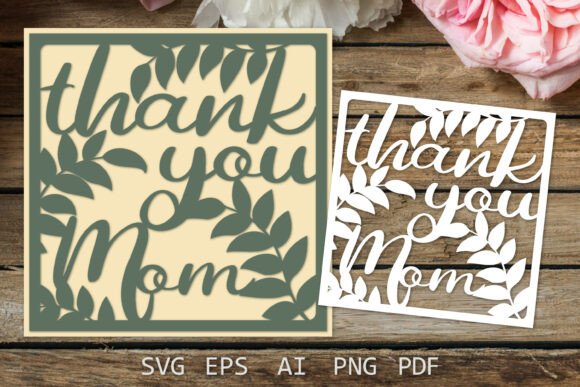
As a professional embroidery designer and product reviewer, I approach every new asset with a critical eye toward stitchability and commercial viability. When I first examined the Thank You Mom Card, Paper Cut Template, my immediate focus was not just on its aesthetic charm as a digital graphic, but on how those clean, layered lines would translate into a tangible machine embroidery design. While this product is marketed primarily as an SVG cut file for Silhouette and Cricut users in the Crafts category, experienced makers know that paper cut templates often serve as exceptional blueprints for embroidery. The distinct separation of layers inherent in paper art provides a natural roadmap for digitizing, making this template a versatile starting point for creating high-value textile products.
Translating Paper Art to Stitched Reality
The visual personality of this Thank You Mom Card, Paper Cut Template evokes warmth, nostalgia, and meticulous craftsmanship. The "paper cut" style implies depth through shadow and layering, which is a concept that transfers beautifully to thread. However, moving from vector graphics to needle and thread requires careful interpretation. In my assessment, this design naturally lends itself to an applique design workflow rather than a traditional full-stitch fill. The bold, distinct shapes typical of paper cut art are perfect for fabric layering, allowing you to build dimension physically rather than relying solely on stitch density.
For small business owners and Etsy sellers, this distinction is crucial. Applique reduces stitch count significantly compared to solid fill areas, lowering production time and thread costs while increasing the perceived value of the handmade product. The sentiment itself—"Thank You Mom"—is evergreen, but the specific styling of this template suggests a modern, boutique aesthetic rather than a generic greeting. This makes it suitable for higher-end personalized gift items where the customer expects a refined finish. Before digitizing or purchasing a pre-digitized version based on this template, I recommend analyzing the negative space. In paper cutting, negative space defines the shape; in embroidery, that same space must be stabilized properly to prevent puckering, especially if you are working with lighter weight fabrics.
Real-World Application: The Custom Tote Bag Test
To truly evaluate the utility of this Thank You Mom Card, Paper Cut Template, I mentally applied it to a real-life client scenario: a custom canvas tote bag intended as a Mother’s Day gift or a boutique merchandise item. Tote bags are a staple for any craft business, but they present unique challenges due to the coarse texture of canvas and the unstructured nature of the bag.
In this scenario, the intricate details of a paper cut design can either shine or disappear. If I were using this template to create a tote bag design, I would prioritize contrast. The layered look of the original graphic suggests using two or three coordinating fabric tones for the applique layers, secured with a crisp satin stitch border. Alternatively, for a more subtle, tone-on-tone look that appeals to minimalist buyers, I might use a single fabric color and rely on varying thread colors and stitch types to mimic the paper shadows. A running stitch could outline the inner details to simulate the delicate cuts of paper without adding bulk.
From a commercial perspective, this application works because it transforms a simple digital asset into a premium finished product. Customers browsing Etsy listings or craft fair tables are drawn to texture. By interpreting this digital embroidery file through the lens of mixed media—combining the precision of the template with the tactile quality of fabric and thread—you elevate the item beyond a standard embroidered card. It becomes a keepsake. However, I must caution makers to check the licensing of the original Graphics file before selling finished goods. Ensure you have the commercial rights to adapt this template into embroidery designs for sale, as terms vary significantly between personal use and commercial embroidery permissions.
Navigating Fabric Limitations and Technical Constraints
While the Thank You Mom Card, Paper Cut Template is visually adaptable, it demands respect for technical limitations. Not every fabric is a suitable canvas for this level of detail. During my review process, I identified several scenarios where caution is necessary:
- Stretchy Fabrics: If applying this design to a sweatshirt or baby onesie, the intricate lines of a paper cut style can distort. Knit fabrics move, and unless you use a heavy-duty stabilizer and potentially a topping, the fine details may get lost or cause tunneling. For sweatshirt embroidery, consider simplifying the innermost details of the template.
- Small Hoop Sizes: Paper cut designs often rely on continuous, flowing lines. Resizing this design down to fit a 4x4 hoop or a cap frame may break those connections. Always verify that the hoop size accommodates the design's integrity. If resizing is necessary, do not rely on software auto-resize; manually adjust stitch angles and underlay to maintain structural stability.
- Textured Surfaces: On terry cloth towels or fleece blankets, the fine "cuts" of the paper design will sink into the pile. For baby embroidery or kitchen linens, you must use a water-soluble topping to keep the stitches visible. Without it, the delicate aesthetic of the template will be swallowed by the fabric texture.
- Dark Fabrics: Paper cut art relies on light passing through layers. On dark garments, this effect is inverted. You may need to add a white base layer or adjust your thread colors significantly to ensure the design reads clearly against a black or navy background.
Designer Notes for Professional Execution
For fellow designers, apparel decorators, and creative entrepreneurs looking to integrate this Thank You Mom Card, Paper Cut Template into their workflow, practical testing is non-negotiable. Never run a final production piece based solely on a screen preview. Here are my essential recommendations for ensuring professional results:
- Test on Scrap Fabric First: Always stitch out the design on the exact material you intend to use for the final project. Check how the stitch density interacts with the weave. If the fabric pulls or the registration is off, adjust your pull compensation settings.
- Verify Licensing and File Specs: Since this is originally a Graphics product for cutting machines, confirm whether an embroidery-specific version exists or if you are digitizing it yourself. If digitizing, ensure your software captures the essence of the paper cut style without creating excessive jump stitches. If buying a pre-digitized version, check the included formats and compatibility with your machine.
- Create Printable Mockups: Before listing a new product in your shop, use the original vector template to create accurate printable mockup previews. This helps customers visualize the layout. However, always pair these with photos of actual stitched samples to build trust. Buyers need to see how the digital lines translate to real thread.
- Assess Washability: If this design is destined for items requiring frequent laundering, such as aprons or baby clothes, ensure all applique edges are securely satin stitched and that no raw edges are exposed. Paper cut styles sometimes leave internal gaps; in embroidery, these must be sealed to prevent fraying over time.
- Evaluate Brand Consistency: Does the whimsical yet structured vibe of this template align with your existing design assets? Whether you are a boutique brand focusing on modern heirlooms or a hobbyist making gifts for friends, consistency builds recognition. Use this template as part of a cohesive collection rather than a standalone novelty.
Ultimately, the Thank You Mom Card, Paper Cut Template represents a bridge between digital crafting and textile art. Its strength lies in its clear, layered composition, which offers a sophisticated alternative to standard clipart embroidery. By approaching it with technical mindfulness and respecting the physical properties of thread and fabric, makers can transform this simple template into meaningful, high-quality embroidered goods that resonate deeply with recipients and customers alike. Whether used for a heartfelt holiday gift or a best-selling shop item, success comes from honoring both the digital origin and the stitched destination.