Softball Heart SVG: A Designer's Embroidery Review
When evaluating digital assets for commercial embroidery, the transition from a screen-based graphic to a tactile stitched product is where the real test begins. As a designer who regularly reviews graphics for production viability, I approached this Softball Heart Svg and Baseball Svg collection with a critical eye toward its utility in actual machine embroidery projects. While these files are marketed as cut files for Cricut and Silhouette users, their potential as a foundation for mixed-media apparel and custom sports gear is significant. However, success depends entirely on understanding how this specific doodle heart aesthetic translates when thread meets fabric.
First Impressions and Visual Personality
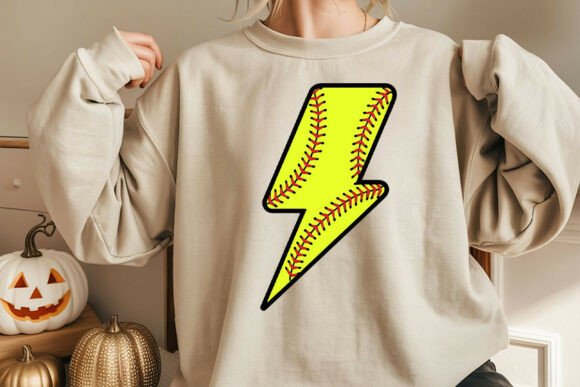
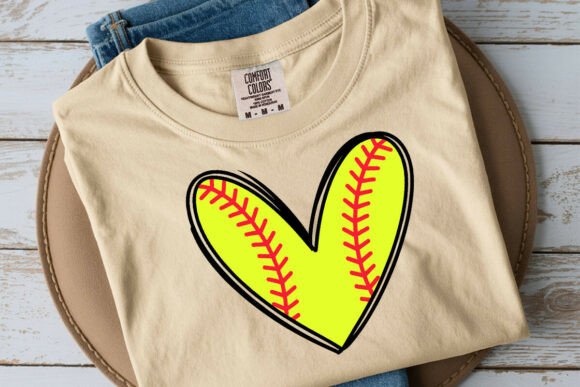
The immediate appeal of this design lies in its organic, hand-drawn quality. Unlike rigid, digitized stock vectors, the "doodle" style of this Softball Heart Svg implies movement and emotion. The red stitch detailing serves as the visual anchor, providing necessary contrast against the heart shape. For an embroidery designer, this suggests a natural pathway for creating textured applique designs or combining satin stitch borders with running stitch accents. The mood is undeniably nostalgic yet energetic, making it ideal for personalized gifts and team spirit wear rather than formal corporate branding.
From a layout perspective, the composition is balanced but informal. This is crucial for craft business owners and Etsy sellers targeting the "softball cheer mom" demographic. The design does not feel manufactured; it feels handmade. When reviewing the vector lines, I noted that the curves are smooth enough to prevent jagged edges during digitizing, yet imperfect enough to retain that coveted artistic charm. This duality is exactly what buyers look for in boutique merchandise and small shop products.
Real-World Application: The Custom Sweatshirt Test
To truly judge this asset, I mentally prototyped a project: a custom embroidered sweatshirt for a youth softball tournament. In this scenario, the Softball Heart Svg would serve as the central chest motif. Using this graphic as a template, I would digitize the outer heart as a satin stitch border to contain the design, while utilizing the internal red stitch lines as decorative running stitches or bean stitches for added texture.
In a real-life stitching situation on fleece or French terry, this design performs best when treated as a guide rather than a strict rule. The "doodle" nature allows for slight variances in stitch placement, which actually enhances the handmade product value. Customers often perceive perfect symmetry as factory-made; therefore, the inherent imperfections in this Baseball Svg adaptation can increase buyer engagement and trust in your brand’s authenticity. For a tote bag design or apron, the open space within the heart offers prime real estate for adding personalized names or years using fill stitch lettering, turning a generic graphic into a high-value custom apparel piece.
Navigating Fabric Constraints and Hoop Sizes
While the aesthetic is versatile, technical execution requires caution. Because this design features varying line weights and open spaces, fabric texture plays a massive role in the final outcome. On stable fabrics like canvas tea towels or denim jackets, the design will hold crisp definition. However, if you are attempting baby embroidery on stretchy knits or performance wear, the lack of inherent structural density in a "doodle" file means you must rely heavily on proper stabilizer selection.
I strongly advise testing this design on scrap fabric before committing to a finished product. If you are converting this SVG into a machine embroidery design manually, pay close attention to stitch density. Over-densifying the red stitch areas on thin fabric will cause puckering, while under-densifying on textured fabrics like terry cloth will cause the stitches to sink and disappear. For cap embroidery or curved surfaces, the horizontal span of the heart may need adjustment to prevent distortion at the edges of the hoop size.
- Stretchy Fabrics: Use cut-away stabilizer and consider a topping to prevent the running stitch details from getting lost in the knit.
- Dark Fabrics: Ensure the red stitch detail has sufficient contrast. You may need to add a white underlay or outline to make the design pop on navy or black garments.
- Small Hoop Sizes: If resizing for a 4x4 hoop, verify that the smallest curve radii remain stitchable. Tiny corners in a doodle font or shape can cause needle breaks or thread bunching if scaled too aggressively.
- Frequent Washing: For items like kitchen towels or baby bibs, ensure all decorative elements are securely anchored. Running stitches should have adequate tie-offs to prevent unraveling over time.
Commercial Viability and Brand Consistency
For creative entrepreneurs and digital product sellers, this asset represents more than just a single design; it is a stylistic building block. The consistency of the line weight across both the Softball Heart Svg and Baseball Svg allows for cohesive collections. You could create matching sibling sets or coach appreciation gifts that look professionally curated rather than haphazardly assembled. This visual coherence is key to establishing brand recognition in a crowded marketplace.
However, a word of caution regarding licensing and file integrity. The product description mentions separate files and ZIP/RAR archives. Before listing any finished product or digital embroidery file for sale, you must confirm the commercial usage rights. Additionally, because this is primarily a graphic asset, ensure your digitizing software imports the vectors cleanly. Sometimes, complex nodes in SVG files can translate to unnecessary jump stitches in embroidery software. Cleaning up the vector points before digitizing will save you production time and improve the professional quality of the final stitch-out.
Designer Notes for Optimal Results
Integrating this design into your workflow requires a methodical approach. Whether you are making holiday embroidery gifts or stocking your Etsy shop for spring ball season, treat this SVG as a premium raw material. Create printable mockups to visualize scale before hooping fabric. Compare how the design reads in black and white versus full color; a good embroidery design should be recognizable even without color differentiation. This ensures your product photos accurately represent what the customer will receive.
Finally, remember that thread colors matter immensely with this specific palette. The "red stitch" element is iconic, but depending on your target market, offering variations (such as team-specific colors) can broaden your appeal. Always inspect small details after a test run. If the doodle lines are too thin for standard 40-weight thread, consider switching to 60-weight thread for finer detail or adjusting the digitized width. By respecting the technical limitations and leveraging the artistic strengths of this Softball Heart Svg, you can elevate your craft business offerings from simple decorations to cherished, high-quality keepsakes.