Mom the Original Essential Worker: Design Review
As a professional embroidery digitizer and product reviewer, I approach every new graphic with a specific question: will this actually stitch out cleanly on real fabric? When evaluating Mom the Original Essential Worker, my focus shifts immediately from digital aesthetics to physical performance. This design carries a strong emotional message that resonates deeply with current cultural sentiments, making it a high-potential asset for craft business owners and Etsy sellers. However, sentiment alone does not guarantee a quality finished product. The transition from a vector graphic in a zipped folder to a tangible handmade product requires careful technical consideration.
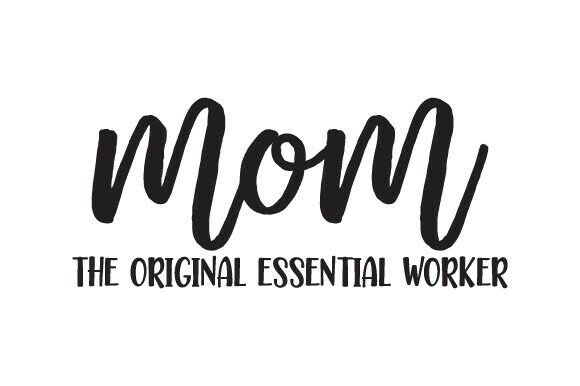
The download includes SVG, DXF, PNG, EPS, and JPG formats, which provides excellent versatility for both digital mockups and production. Seeing the design isolated on both white and black backgrounds is particularly helpful for visualizing contrast before committing thread to fabric. My first impression is that this artwork has a bold, declarative personality. It feels less like a delicate floral accent and more like a statement piece. This suggests it belongs on items that are seen and used daily, rather than decorative wall hangings. The typography and layout appear balanced, but as any experienced maker knows, screen resolution does not always translate to stitch clarity.
Real-World Application: The Custom Tote Bag Test
To truly judge the viability of Mom the Original Essential Worker, I mentally placed it onto a canvas tote bag project intended for a Mother’s Day boutique collection. Totes are a staple tote bag design category because they offer a flat, stable surface for embroidery, yet they present unique challenges regarding fabric texture and weight.
In this scenario, the design needs to hold its own against the natural weave of canvas. If the lettering in "Essential Worker" relies on thin lines, they risk getting lost in the fabric grain or breaking during the stitching process. For this specific application, I would evaluate whether the text elements are suitable for a satin stitch or if they require conversion to a fill stitch for better coverage. A satin stitch offers a classic, raised look that elevates the perceived value of the item, but only if the column width is appropriate. If the letters are too wide, the satin stitch may pull or gap; if too narrow, they may disappear.
Furthermore, considering the end-user is likely a busy mother, durability is paramount. This embroidery project must withstand washing and heavy use. I would check the stitch density to ensure it is dense enough to prevent the canvas from showing through, but not so dense that it creates a bulletproof patch that distorts the bag's drape. This balance is what separates amateur work from professional commercial embroidery.
Technical Performance Across Different Substrates
Versatility is key for small shop product lines. While the tote bag scenario is ideal, Mom the Original Essential Worker will inevitably be requested on other substrates. Here is how I assess its adaptability:
- Sweatshirt Embroidery: Fleece and French terry fabrics are plush and can swallow fine details. On a sweatshirt, this design would likely need a slightly heavier stabilizer and perhaps a topping to keep the stitches from sinking into the nap. The message fits the cozy, casual aesthetic of custom apparel, but the execution must account for fabric loft.
- Baby Embroidery: If adapting this for a onesie or bib, caution is required. Baby skin is sensitive, and dense embroidery can be scratchy. I would recommend testing a softer backing or reducing the density significantly. Additionally, the hoop size for baby items is often limited, so verifying that the design scales down without losing legibility is critical.
- Kitchen Textiles: Tea towels and aprons are natural homes for this theme. These items face frequent laundering and heat. Using high-quality polyester or rayon thread colors that are colorfast is non-negotiable here. The design should be positioned to avoid seams and hems, which can cause registration issues during stitching.
Navigating Fabric Limitations and Hoop Constraints
Not every surface is friendly to complex graphics. When using Mom the Original Essential Worker, you must be realistic about where it will fail. Stretchy performance fabrics, such as those used in activewear, are notoriously difficult for structured designs. Unless you are using an advanced cutaway stabilizer system and potentially an adhesive spray, the design may distort when the garment stretches. In these cases, a simpler, smaller version or an applique design variation might be safer.
Dark fabrics also present a challenge. Since the download includes a black background preview, use it to assess negative space. If the design relies on internal transparency or light-colored details that blend into a dark shirt, you will need to add an underlay or a white base layer to make the colors pop. Without this step, the "Essential Worker" text might become illegible on navy or charcoal garments, diminishing the impact of the personalized gift.
Curved surfaces like caps require special attention. Standard flat embroidery file versions often do not stitch correctly on the curved brim area due to push-and-pull compensation issues. Always verify if the design has been specifically digitized for caps before attempting it, or be prepared to manually adjust the distortion settings in your software.
Professional Notes for Makers and Sellers
For digital product sellers and makers utilizing this asset, professionalism lies in preparation. Before listing any item featuring Mom the Original Essential Worker, adhere to these best practices:
- Test Stitch is Mandatory: Never run a final product without a test sew-out on similar scrap fabric. Check for thread breaks, registration errors, and overall feel.
- Verify Licensing: The product description lists file formats but does not explicitly detail commercial licensing terms for finished goods versus digital redistribution. Always confirm your rights before selling design assets or mass-producing merchandise.
- Mockup Accuracy: Use the provided PNG and JPG files to create accurate printable mockup images for your listings. Ensure the digital representation matches the actual stitch-out texture to build customer trust.
- Thread Contrast Check: Review your thread colors against the fabric choice. Low-contrast combinations (e.g., grey thread on silver fabric) reduce readability and perceived quality.
- Stabilizer Selection: Match your stabilizer to the fabric weight. A tear-away might suffice for a towel, but a cap or stretchy knit demands a firm cutaway or specialty stabilizer.
Elevating Product Value Through Design Integrity
Ultimately, Mom the Original Essential Worker is more than just a collection of vectors; it is a potential bestseller for Etsy seller portfolios and holiday embroidery collections. Its strength lies in its relevance and emotional connection. However, the value of the finished product depends entirely on the maker's technical diligence.
When executed correctly, this design communicates appreciation and recognition. It transforms a blank sweatshirt embroidery project or a simple tote into a meaningful token. Buyers engage with products that feel intentional and well-crafted. By respecting the technical requirements of machine embroidery design—from proper hooping to density management—you ensure that the sentiment survives the wash cycle and remains a cherished item. Whether you are creating boutique branding materials or a one-off embroidered patch, treating this graphic with professional respect will yield results that honor both the craft and the essential workers it celebrates.