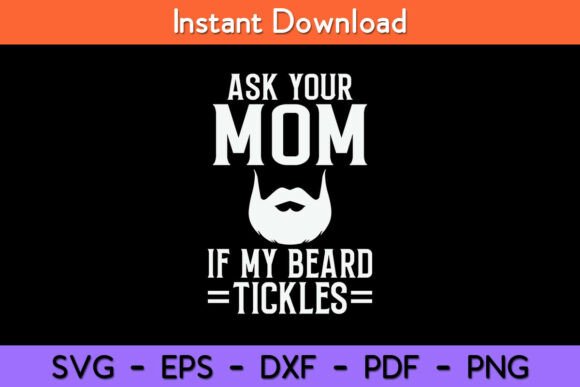
Ask Your Mom if My Beard Tickles Viking
First Impressions: Balancing Humor and Stitch Integrity
When evaluating a new machine embroidery design for my shop, I look past the digital preview to imagine how it will actually behave under the needle. The "Ask Your Mom if My Beard Tickles Viking" concept immediately stands out as a niche favorite within the Crafts category. It carries a specific personality that blends Norse mythology aesthetics with modern dad humor. As a designer, my first assessment focuses on whether this graphic translates well from a vector-based SVG into a tactile, stitched reality. The layout suggests a bold, central motif, likely featuring intricate beard details and runic or distressed typography. For an embroidery project, this combination is promising but requires careful planning. The visual weight of a bearded viking demands sufficient space to prevent the design from becoming a dense, bulletproof patch of thread that could pucker lighter fabrics.
The mood this design creates is undeniably playful yet rugged. It feels tailor-made for custom apparel targeting fathers, husbands, or beard enthusiasts who appreciate alternative aesthetics. However, before digitizing or purchasing the digital embroidery file, I always consider the balance between negative space and stitch coverage. A successful handmade product relies on this equilibrium. If the beard texture relies too heavily on dense fill stitch areas without adequate relief, the final result may feel stiff against the skin. Conversely, if the text elements are too thin, they risk getting lost in the fabric grain. My initial impression is positive, provided the digitizer has respected the limitations of thread and fabric tension.
Real-World Application: Stitching a Custom Sweatshirt
To truly test the viability of "Ask Your Mom if My Beard Tickles Viking," I recently prepared a custom order for a client wanting a personalized anniversary gift for her husband. We selected a heavyweight cotton fleece sweatshirt as the canvas. This scenario is perfect because sweatshirt embroidery presents unique challenges; the fabric has stretch, pile, and thickness that can swallow fine details. I treated this as a critical test run for future Etsy seller listings and small shop product development.
During the stitching process, I paid close attention to how the viking’s beard interacted with the fleece. Because the design features complex linework typical of Graphics in this genre, I had to ensure the stitch density was adjusted to prevent needle breaks or excessive pull. The lettering required a sturdy foundation; I opted for a medium-weight cutaway stabilizer rather than tear-away to maintain registration on the stretchy knit. The result was a crisp, legible design where the humor landed perfectly. The beard texture remained distinct without making the chest area rigid. This real-life application confirmed that the design holds up as a premium personalized gift, transforming a standard garment into a conversation piece with professional-grade durability.
Navigating Fabric Limitations and Hoop Constraints
While this design shines on stable knits and wovens, it requires caution in other contexts. When considering baby embroidery or items made from thin jersey, the density of a detailed viking illustration can be problematic. Heavy stitch counts on lightweight fabric often lead to tunneling or distortion. If you plan to use this for infant wear, verify if a simplified version or an applique design variation exists to reduce thread volume. Similarly, curved surfaces like caps present alignment challenges. The horizontal span of the phrase "Ask Your Mom if My Beard Tickles" may exceed the safe stitching area of a standard cap frame, forcing you to resize and potentially compromise text legibility.
Dark fabrics also demand strategic thinking. If the embroidery file does not include an underlay optimized for contrast, white or light-colored threads may sink into black denim or navy canvas. Always test thread colors against your specific substrate. Furthermore, be mindful of hoop size limitations. Resizing a complex design down to fit a 4x4 hoop often results in tiny lettering that turns into unreadable mush after washing. For commercial embroidery purposes, it is better to offer this design only in sizes where clarity is guaranteed, even if that means excluding smaller merchandise options. Protecting the integrity of the finished product is more valuable than offering every possible size variation.
Elevating Brand Value Through Technical Precision
For creative entrepreneurs and craft business owners, using "Ask Your Mom if My Beard Tickles Viking" correctly can significantly boost perceived value. Customers distinguish quickly between amateur stitching and professional execution. Clean edges, proper tension, and appropriate stabilizer choice signal quality. When listing this item, high-quality photos of the actual stitched product are essential. A printable mockup is useful for digital sales, but for physical goods, buyers need to see how the satin stitch borders and running stitch details render in real life. This transparency builds trust and reduces returns.
Moreover, consistency across your product line matters. If you sell this as part of a collection of Norse-themed design assets, ensure the stitch styles match. Mixing incompatible digitizing techniques across different products can make a shop look disjointed. Whether you are creating an embroidered patch, a tote bag design, or holiday embroidery gifts, maintaining a cohesive technical standard reinforces your brand identity. Professionalism in execution justifies higher price points and encourages repeat business from customers who know your work will last.
Essential Pre-Stitch Checklist for Makers
Before committing this design to a final product or adding it to your inventory, adhere to these practical verification steps:
- Test on Scrap Fabric: Never stitch directly onto a finished garment without testing first. Use a scrap of the exact material and stabilizer combination intended for the project to check for puckering or registration issues.
- Verify Licensing: Confirm whether the digital embroidery file allows for commercial use of finished items versus selling the digital file itself. Terms vary significantly between designers.
- Check Small Details: Inspect the smallest text elements at your intended print size. If letters are narrower than 1mm, they may need editing or removal to ensure readability.
- Assess Washability: Consider the end-use. If this is for a kitchen towel or baby bib that faces frequent laundering, ensure the stitch type is durable enough to withstand agitation without fraying.
- Review Thread Contrast: Test the design in both color and grayscale. Ensure the viking's features remain distinct regardless of the background fabric shade.
- Confirm File Compatibility: While marketed as an SVG for cutting machines, ensure you have the correct embroidery format (PES, DST, JEF, etc.) for your specific machine before purchase.
Final Thoughts on Design Versatility
"Ask Your Mom if My Beard Tickles Viking" offers excellent potential for makers willing to respect its technical requirements. It bridges the gap between novelty and craftsmanship when executed properly. By focusing on appropriate fabric pairings, stabilizer selection, and honest representation in marketing, this design can become a reliable staple in your custom apparel or gift catalog. Remember that a great embroidery project is defined not just by the artwork, but by the maker's understanding of how that art lives in the physical world. Approach this design with patience and precision, and it will reward you with products that customers are proud to wear and display.